
What Is Myopia? Dr. Lee Explains
Jessica Lee, O.D. • January 18, 2024
Why is my child's eyesight getting worse every year?
Why is my child’s eyesight getting worse every year?
Most parents of near-sighted or myopic children will experience having to get new glasses every year due to the prescription getting worse as the child gets older. This is a very common and expected pattern of myopia for most children, and for many years, new glasses every 6 months or every year was the only solution. In the last few years, there has been many advances in the world of myopia, especially pediatric progressive myopia. But first, let’s go over the basics.
What is Myopia?
Myopia is nearsightedness, which means that you can see close objects, but objects farther away appear blurred. Myopia occurs if the eyeball is too long or the cornea (the clear front cover of the eye) is too curved. As a result, the light entering the eye isn’t focused correctly, and glasses or contact lenses will correct the blur.
What is Myopia Control?
“Myopia Control” is a term used to describe specific treatments to slow the progression of nearsightedness in children.
What is offered at New Jersey Eye and Ear for Myopia control?
1. Ortho-Keratology hard lenses
2. MiSight soft contact lenses
3. Atropine 0.02% eye drops
Information on the current Myopia Controls Ortho-Keratology (Paragon CRT lenses) Ortho-Keratology uses a series of custom-fitted hard contact lenses to temporarily reshape a child’s cornea. When the lenses are worn nightly, children with myopia can see clearly the next day without needing eyeglasses or contact lenses. When the child stops using the lenses, the cornea will go back to its original shape and myopia returns.
Multiple studies suggest Ortho-Keratology lenses slow the eye’s growth by nearly 53%, effectively slowing down the progression of myopia. Wearing any lenses overnight can increase the risk of infection, therefore, they require thorough cleaning and extra hygiene steps compared with disposable lenses.
MiSight Lenses (Coopervision)
MiSight lenses are the first FDA-approved contact lenses for controlling myopia progression in children. These are soft, disposable lenses that are worn during the day, and discarded at night. Patient cannot sleep in these lenses. MiSight lenses have concentric rings to redirect how light hits the retina, which tricks the eye into not growing too long. The studies show that MiSight lenses are effective in slowing myopia progression in children by 59%. To get the full recommended benefit, children must wear the MiSight lenses at least six days a week, for 10 hours a day, until they are teenagers. Like all standard lenses, Misight lenses pose a risk for corneal infection. Good contact lens hygiene can lower this risk. Atropine 0.02% Eye Drops Atropine 0.02% eye drops is clinically used to prevent the progression of myopia by strengthening the sclera (white portion of the eye) to make the eye more stable and prevent elongation. The child still has to wear eyeglasses during the treatment to see clearly. Atropine 0.02% eyes drops dosage would be 1 drop in both eyes daily. There are some side effects of stinging, blurred vision or pupil dilation. There is at least a 2-year commitment before any attempts to discontinue the eye drops after stabilizing the refractive error. The drop will not be available at any pharmacy since it has to be compounded for its specific dosage. The prescription will be sent to a compounding pharmacy, and the pharmacy would dispense the drops and assist patient with details on insurance coverages if available.
Optometrists that provide these treatments:
- Dr. Jessica Lee (Englewood Location)
- Dr. Ester Kohen (Clifton and Englewood Locations)
These therapies work differently for every child, so please ask your doctor which would be the most recommended and effective therapy option for your child. Many parents believe their child is “too young” for contact lenses. However, research has shown that both children (ages 8-12) and teenagers (13-17) can safely wear contact lenses. NJ
Eye and Ear Contact Lens Department will train with all first time contact lens wearers. Over a three-year period, evidence has shown a statistically significant improvement in self-perception regarding physical appearance, athletic competence, and social acceptance in children wearing contact lenses.
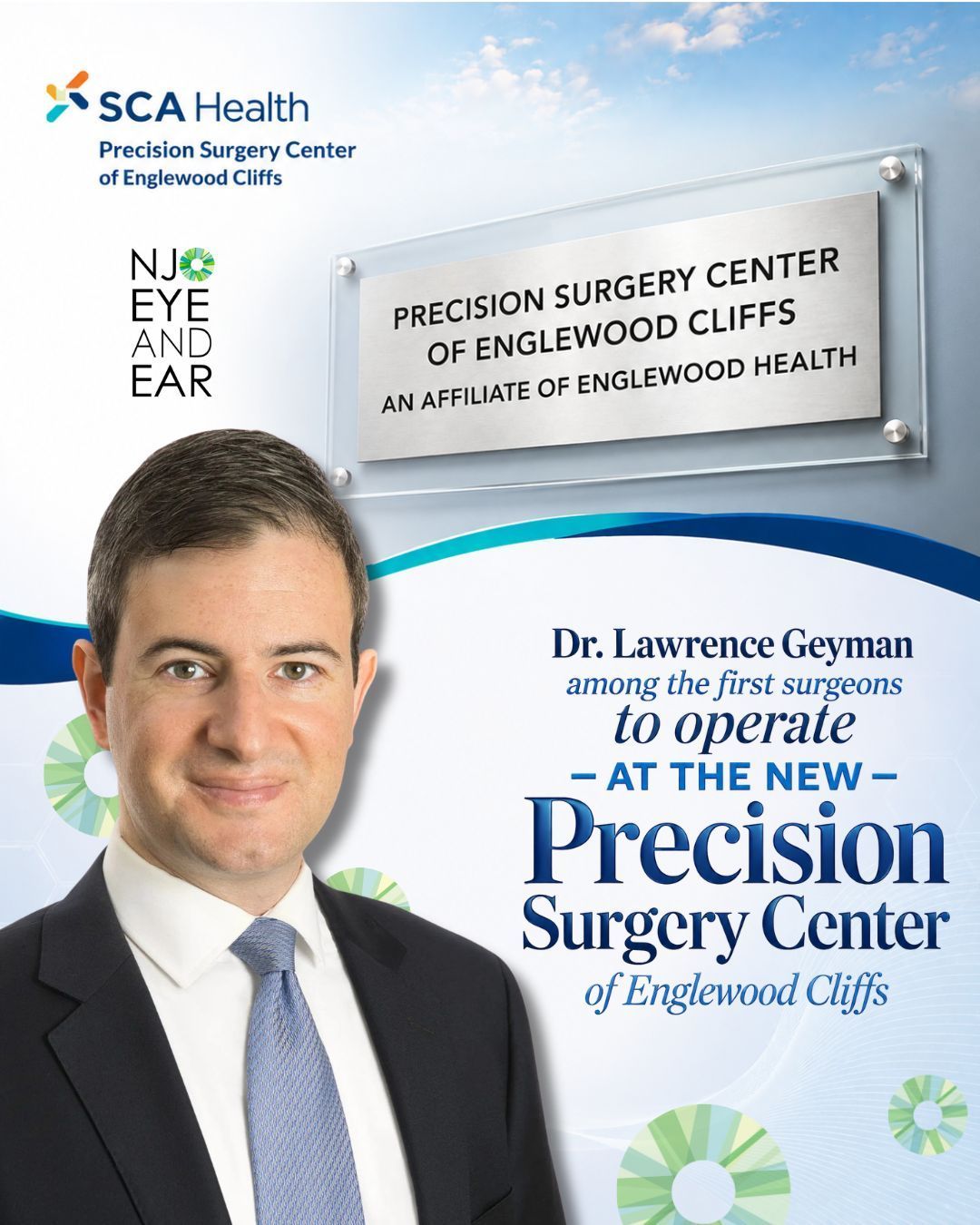
NJ Eye and Ear Specialists Begin Performing Procedures at New State-of-the-Art Preision Surgery Center
Nose always runny?

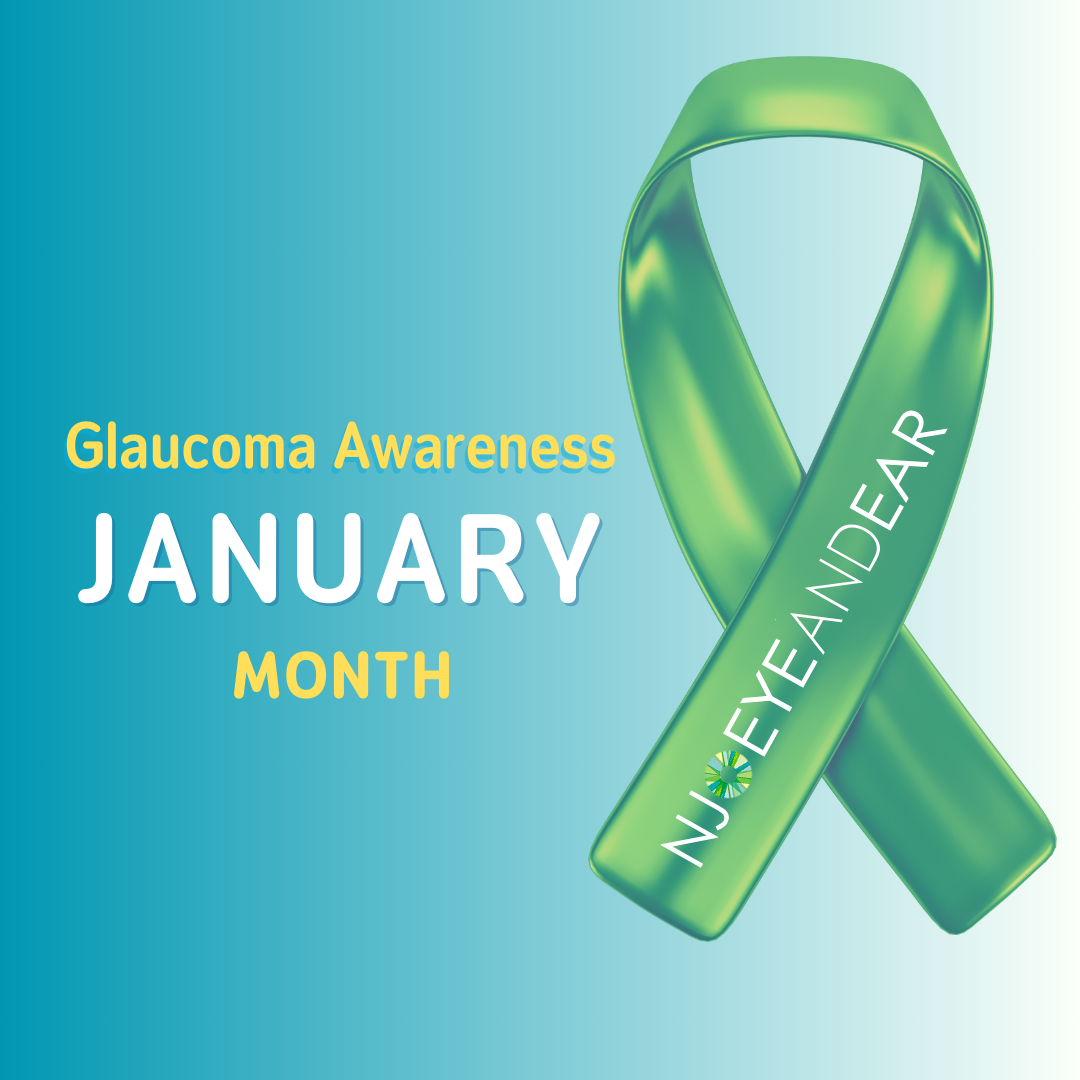
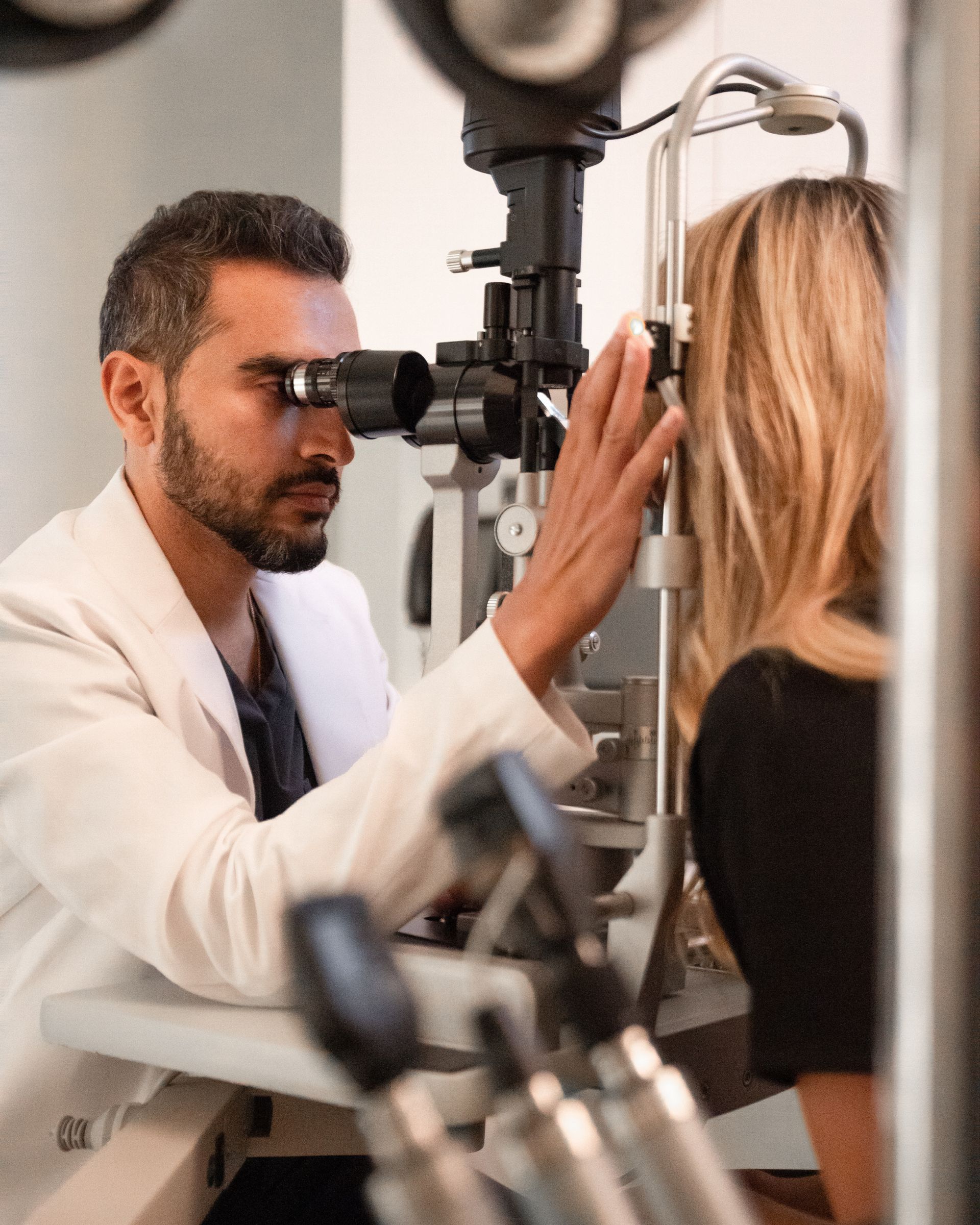
January is Glaucoma Awareness Month, a time to raise awareness about one of the leading causes of irreversible vision loss in the United States. Often called the “silent thief of sight,” glaucoma can develop without noticeable symptoms in its early stages, making regular eye exams in New Jersey essential for protecting long-term vision health. More than four million Americans are currently living with glaucoma, and many do not realize they have it. The condition damages the optic nerve, typically due to increased eye pressure, and often begins by affecting peripheral vision. Without early detection and treatment, this vision loss can become permanent. Who Is at Risk for Glaucoma? While anyone can develop glaucoma, certain factors can increase your risk, including: Being over the age of 60 Having a family history of glaucoma Belonging to certain ethnic backgrounds Living with diabetes or high eye pressure Understanding your personal risk and scheduling routine glaucoma screenings in New Jersey can make a meaningful difference in preserving your sight. The Importance of Comprehensive Eye Exams The most effective way to detect glaucoma early is through a comprehensive dilated eye exam. This exam allows your eye care provider to measure eye pressure, evaluate the optic nerve, and check for subtle changes in your field of vision—often before symptoms appear. Book Your Glaucoma Screening in New Jersey At NJ Eye and Ear, our ophthalmology and optometry team provides personalized care using advanced diagnostic technology to help patients detect and manage glaucoma as early as possible. This January, take a proactive step toward protecting your vision. Book your glaucoma screening in New Jersey today and safeguard your sight for the future.

Celebrating Our Award-Winning Doctors at NJ Eye and Ear!

Black Friday aesthetics promotions in New Jersey. Deals on botox, fillers, IPL hair removal, microneedling and lots more
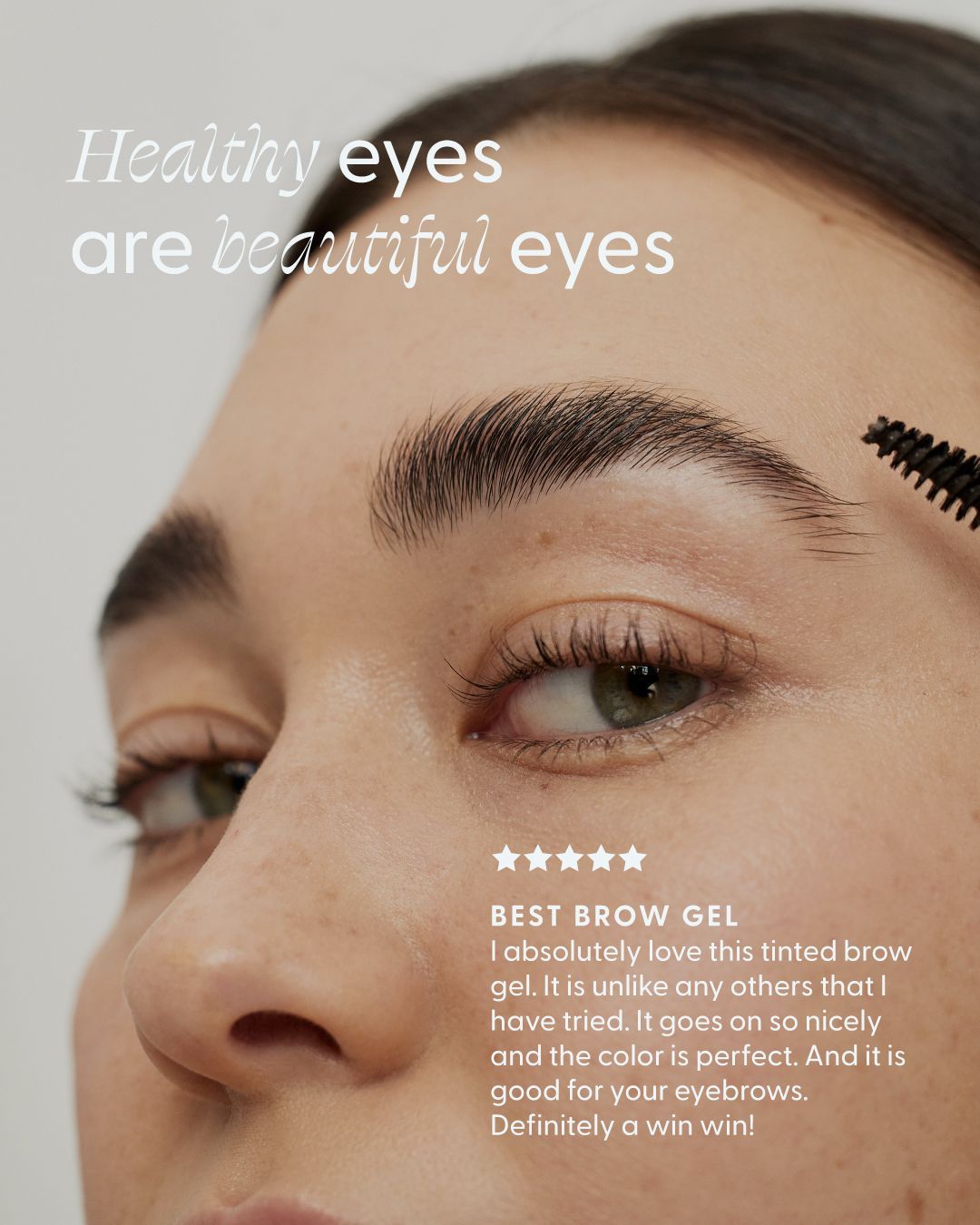
Say Hello to Eye-Safe Glam: Twenty/Twenty Beauty Now Available at NJ Eye and Ear
Dr. Lawrence Geyman discusses treatment options for Glaucoma.

Eat Pistachios for Better Eye Health
July is Dry Eye Awareness month and your symptoms could be due to dry eye.
What is Dry Eye?