
January is Glaucoma Awareness Month
Lawrence Geyman, M.D. • January 18, 2024

Wisdom from a Glaucoma Specialist, Lawrence Geyman, M.D.
January is Glaucoma Awareness Month, and as a glaucoma specialist, this month holds special importance to me as
a physician dedicated to preventing vision loss from glaucoma. I am also a member of the American Glaucoma
Society Patient Care Committee, dedicated to improving patient education, outreach, and advocacy. Glaucoma is an
eye disease that affects millions of Americans, in which the optic nerve, the nerve that connects the eye to the brain,
suffers damage. After a critical amount of optic nerve fibers are damaged, the vision becomes affected. The causes
of glaucoma are still being actively researched, though we know that eye pressure plays a significant role in the
condition. In fact, nearly all therapies for glaucoma work by lowering the eye pressure. Importantly, simply having
high eye pressure does not equate to having glaucoma, in a similar way to how simply having high blood pressure
does not equate to having heart disease. Another significant risk factor for glaucoma is age, though rarer forms can
affect younger individuals.
Unfortunately, the damage that occurs to the optic nerve, and the resulting vision loss, is irreversible. In addition,
glaucoma typically affects the peripheral vision first, and it progresses slowly. For this reason, a person may not
know that they have vision loss from glaucoma until much later in the disease course. It is no surprise that glaucoma
is thus known as the “silent thief of sight.” This is very different from a condition such as macular degeneration,
which typically first affects the central vision that we use to read. Patients with vision loss from glaucoma may begin
to bump into objects and may not be able to see their feet as they walk. Driving and other complex activities may
become difficult or unsafe.
Fortunately, with proper care and treatment, the progression of glaucoma can be slowed or halted. In the last
decade, there has been an explosion in minimally invasive surgery, which is able to decrease the rate of vision loss
with far fewer risks than with traditional glaucoma surgeries. New classes of medications have been made available,
and refinements to the traditional surgeries have been devised. There are numerous research groups investigating
neuroprotective therapies, which may offer a new way to treat glaucoma by protecting the optic nerve against
damage. And, lastly, though likely still a long while away, regenerative therapy to reverse optic nerve damage is
being studied, as well.
It is important to ask your primary care physician or your primary eye doctor if a glaucoma evaluation is indicated,
especially if you feel that your peripheral vision has worsened or if you notice gray, blurry, or black areas in your
vision. A glaucoma evaluation often requires only a few additional examinations and tests. The Glaucoma Division
at NJ Eye and Ear, consisting of myself, Dr. Khelly Savant, Dr. Nahndi Bush, and Dr. Daniel Stegman, is always here
to answer any questions, as we work together to prevent vision loss and preserve our patients’ quality of life.
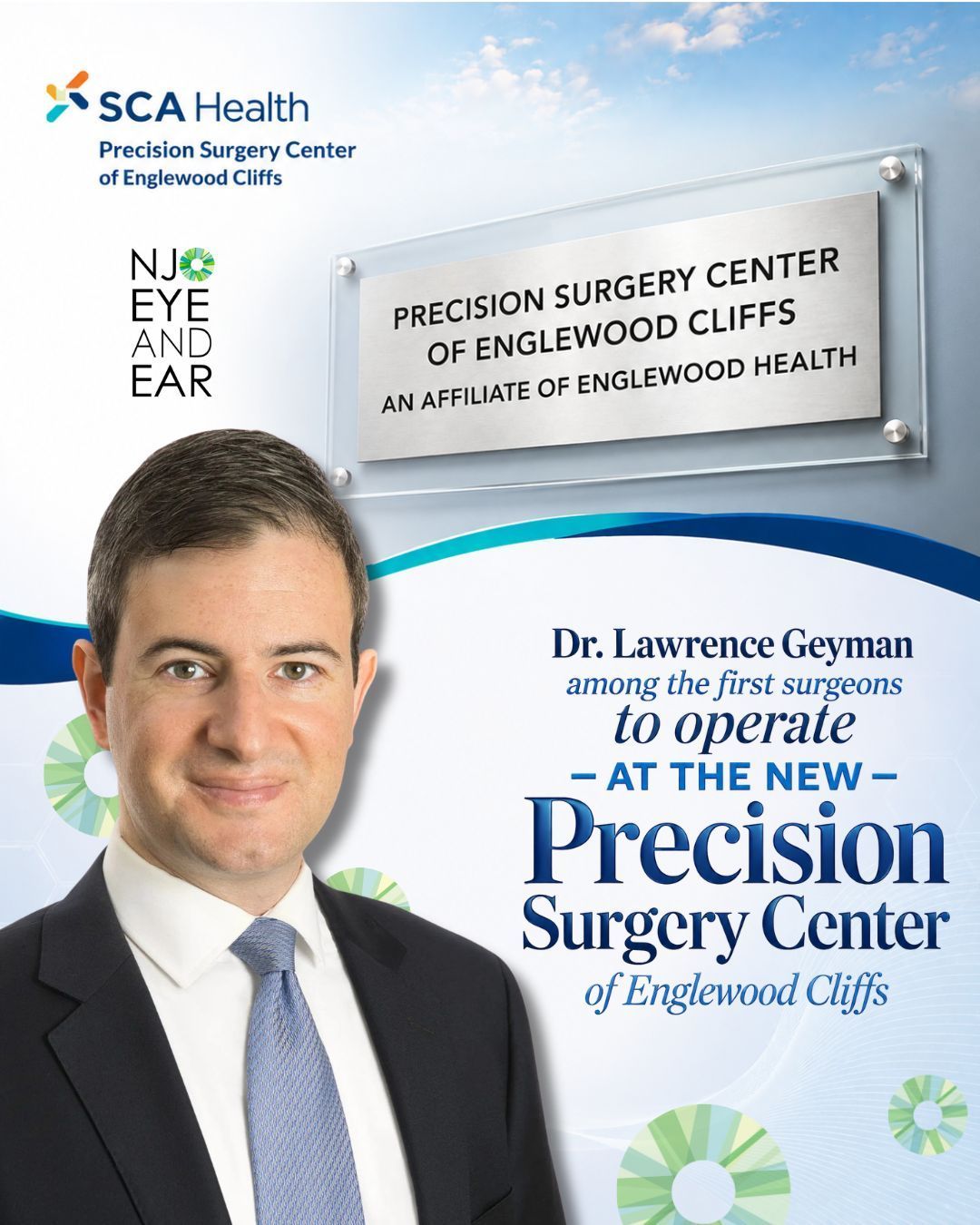
NJ Eye and Ear Specialists Begin Performing Procedures at New State-of-the-Art Preision Surgery Center
Nose always runny?

January is Glaucoma Awareness Month, a time to raise awareness about one of the leading causes of irreversible vision loss in the United States. Often called the “silent thief of sight,” glaucoma can develop without noticeable symptoms in its early stages, making regular eye exams in New Jersey essential for protecting long-term vision health. More than four million Americans are currently living with glaucoma, and many do not realize they have it. The condition damages the optic nerve, typically due to increased eye pressure, and often begins by affecting peripheral vision. Without early detection and treatment, this vision loss can become permanent. Who Is at Risk for Glaucoma? While anyone can develop glaucoma, certain factors can increase your risk, including: Being over the age of 60 Having a family history of glaucoma Belonging to certain ethnic backgrounds Living with diabetes or high eye pressure Understanding your personal risk and scheduling routine glaucoma screenings in New Jersey can make a meaningful difference in preserving your sight. The Importance of Comprehensive Eye Exams The most effective way to detect glaucoma early is through a comprehensive dilated eye exam. This exam allows your eye care provider to measure eye pressure, evaluate the optic nerve, and check for subtle changes in your field of vision—often before symptoms appear. Book Your Glaucoma Screening in New Jersey At NJ Eye and Ear, our ophthalmology and optometry team provides personalized care using advanced diagnostic technology to help patients detect and manage glaucoma as early as possible. This January, take a proactive step toward protecting your vision. Book your glaucoma screening in New Jersey today and safeguard your sight for the future.

Celebrating Our Award-Winning Doctors at NJ Eye and Ear!

Black Friday aesthetics promotions in New Jersey. Deals on botox, fillers, IPL hair removal, microneedling and lots more

Say Hello to Eye-Safe Glam: Twenty/Twenty Beauty Now Available at NJ Eye and Ear
Dr. Lawrence Geyman discusses treatment options for Glaucoma.

Eat Pistachios for Better Eye Health
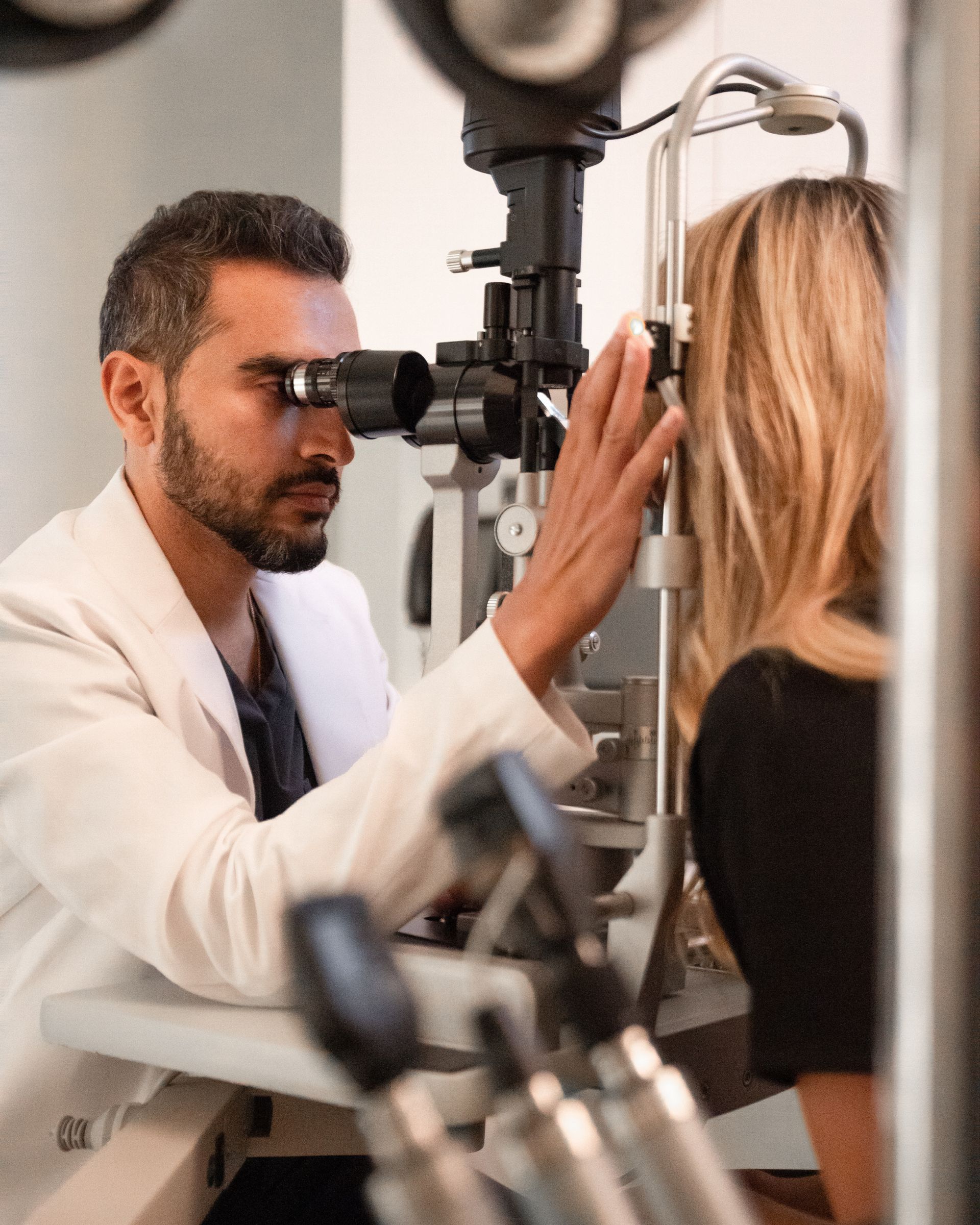
July is Dry Eye Awareness month and your symptoms could be due to dry eye.
What is Dry Eye?