Dermal Fillers 101: What They Are, How They Work, and What to Expect
Not all dermal fillers are the same, and choosing the right one can make a real difference in your results. At NJ Eye and Ear, injectable options range from hyaluronic acid (HA) fillers to longer-acting choices like Radiesse and Bellafill, each designed for different goals, treatment areas, and timelines.
If you are new to fillers, it helps to understand what they actually do before booking a cosmetic consultation in Englewood or Clifton, NJ. This guide breaks down the main filler types, how they're used, what the treatment experience looks like, and how to decide which option fits your goals.
Fillers vs. Neuromodulators: Know the Difference
Before comparing filler types, it's worth clarifying a common point of confusion. Dermal fillers and neuromodulators like Botox, Jeuveau, and Daxxify are not the same thing, even though both fall under the "injectables" umbrella.
Neuromodulators work by temporarily relaxing targeted facial muscles, which softens lines caused by repeated expressions, such as forehead lines or crow's feet. Fillers, on the other hand, physically add volume, structure, or hydration to an area, such as the cheeks, lips, or under-eyes.
Some patients benefit from combining both approaches. A consultation can help determine whether your concerns are better addressed with muscle-relaxing treatments, volumizing fillers, or a combination of the two.
The Main Filler Types, Side by Side
Hyaluronic Acid (HA) Fillers
HA is a substance your body already produces naturally, known for its ability to attract and hold water. HA fillers are typically a popular option for lips, cheeks, and smoothing fine lines because they integrate into the skin and can produce a natural-looking result.
Best for: Lips, cheeks, under-eye hollows, and fine lines.
Typical longevity: Roughly six months to a year, depending on the treatment area and how quickly your body metabolizes the filler.
Good to know: HA fillers can typically be dissolved with a specific enzyme if you're unhappy with results or experience a complication. This makes them a common starting point for first-time filler patients.
Radiesse
Radiesse is made from calcium hydroxylapatite microspheres suspended in a gel. Beyond adding immediate volume, it also stimulates your body's own collagen production over time, which is why some patients notice results continuing to develop in the weeks after treatment.
Best for: Deeper volume loss in the cheeks and hands.
Typical longevity: Often a year or longer.
Good to know: Because Radiesse works partly by triggering collagen production, results may change over time as your body responds to the treatment.
Bellafill
Bellafill combines collagen with tiny, permanent microspheres that provide lasting structural support under the skin. It's generally reserved for patients seeking a longer-term solution or treating specific concerns like certain acne scars.
Best for: Deeper facial lines and select acne scarring.
Typical longevity: Several years, making it a long-lasting option among common fillers.
Good to know: Because Bellafill isn't reversible in the way HA fillers are, providers often recommend careful patient selection and consultation before treatment.
What Actually Happens During Your Appointment
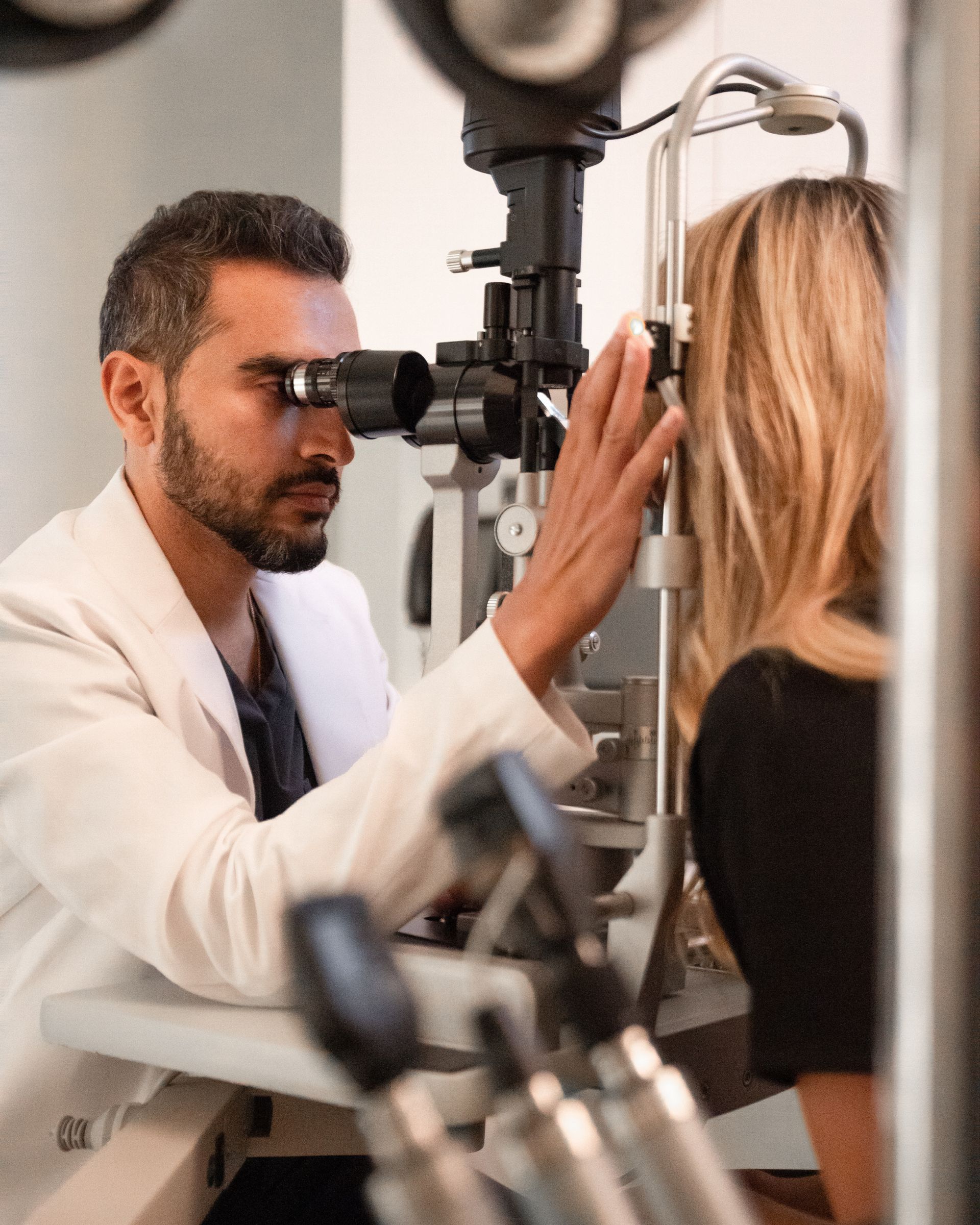
Many patients at NJ Eye and Ear begin with a facial aging and balance assessment. This gives a qualified specialist the chance to evaluate your facial structure, discuss what's changed over time, and recommend a treatment plan tailored to your specific features rather than a one-size-fits-all approach.
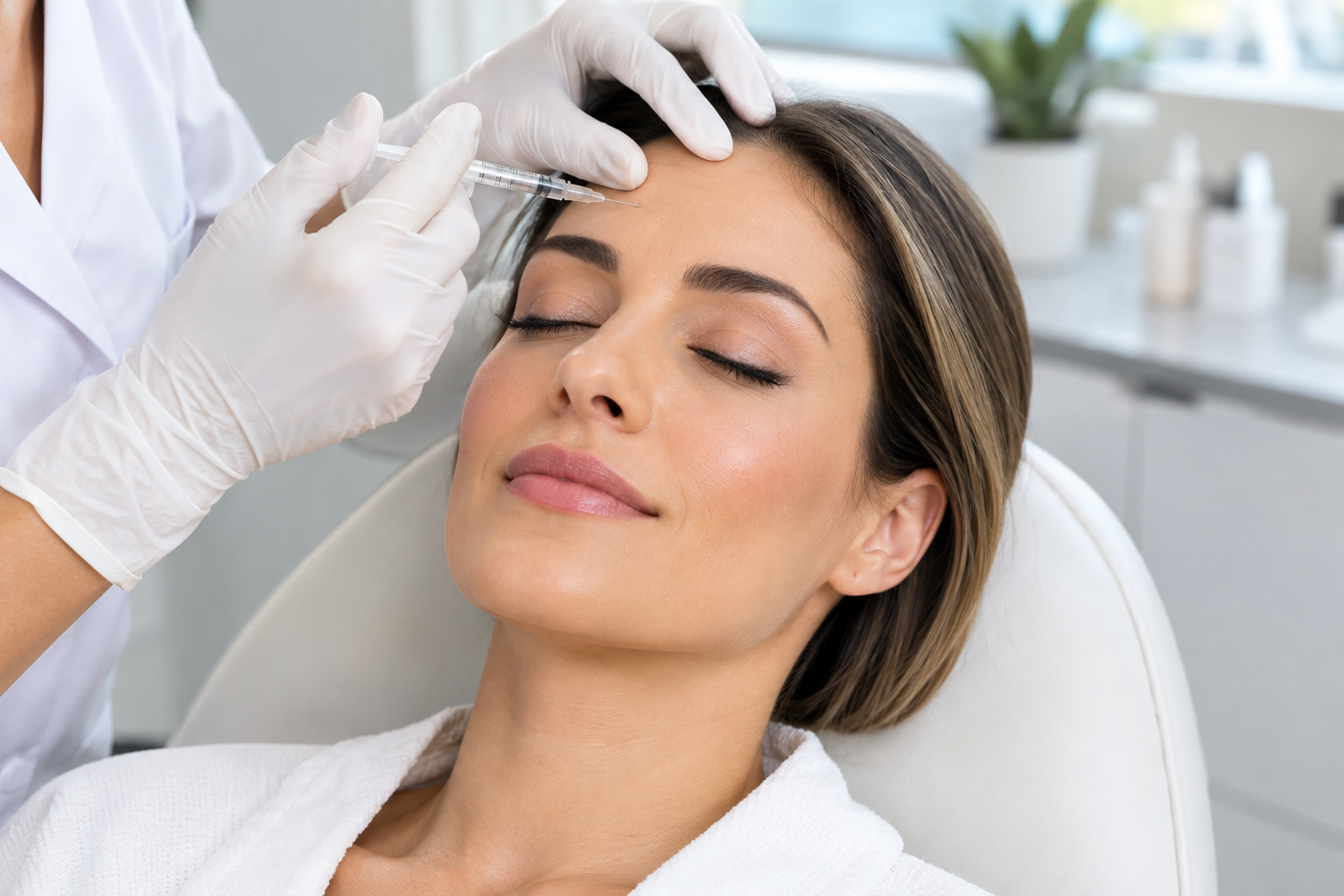
On treatment day, the process itself is often quick. Filler is injected into the targeted area using a fine needle or cannula, and many appointments are completed in well under an hour. The exact treatment time and downtime depend on the areas being treated and the type of filler used.
A consultation is also an opportunity to discuss your expectations, medical history, previous cosmetic treatments, and any questions about potential risks or results.
Recovery: What's Normal and What's Not
Mild swelling, bruising, redness, or tenderness at the injection site is common and usually resolves within a few days to about a week. Ice and following your provider's aftercare instructions can help manage swelling.
Less commonly, some patients notice temporary firmness, small lumps, or slight asymmetry, which an experienced provider may be able to address.
If you notice unusual or worsening swelling, significant pain, skin color changes, or symptoms that concern you, contact your provider promptly rather than waiting it out. Rare but serious complications, including vascular occlusion, can occur after filler injections and require immediate medical attention.
Choosing the Right Filler for Your Goals
There's no single filler that suits every patient. The right option depends on your specific concern, anatomy, skin quality, and desired longevity.
A few general guidelines:
- Want a natural-looking, reversible starting point? HA fillers are typically a common choice.
- Dealing with deeper volume loss, especially in the cheeks? Radiesse may offer a longer-lasting, collagen-stimulating option.
- Looking for a long-term solution to deeper lines or certain scarring? Bellafill is designed to provide lasting results.
Because individual anatomy, skin quality, and goals vary widely, the right choice often comes down to a hands-on evaluation rather than a generic recommendation.
Ready to Explore Your Options?
Choosing between HA fillers, Radiesse, and Bellafill is easier with expert guidance. NJ Eye and Ear's board-certified specialists offer personalized consultations, starting with a free facial aging and balance assessment, to help you understand your options before you commit to treatment. Contact us today to book your assessment.
Frequently Asked Questions
What's the difference between fillers and Botox?
Fillers add volume and structure using substances like hyaluronic acid, while Botox and similar neuromodulators, including Jeuveau and Daxxify, relax targeted muscles to soften expression lines.
Which filler is reversible?
HA fillers can typically be dissolved with a specific enzyme, making them a common starting point for first-time patients. Radiesse and Bellafill are not reversible in the same way.
Do fillers look natural?
When placed by a qualified and experienced provider and matched to the right treatment area, fillers are designed to enhance natural facial contours rather than create an obvious change. Results vary by patient.
Is there downtime after filler treatment?
Many patients experience little to no downtime, though mild swelling or bruising at the injection site is common for a few days. Follow your provider's aftercare instructions.
How do I know which filler is right for me?
A personalized consultation allows a specialist to evaluate your anatomy and goals before recommending a specific filler type. Discuss your medical history, previous treatments, and desired results during your appointment.