Pediatric Eye Care in New Jersey 

Contact us

Pediatric Eye Care Re-Imagined

Your child’s vision plays a critical role in their development, learning, and confidence. The most critical time for this is between 0-9 years old as the eye is developing; early interventions can correct any issues. At NJ Eye and Ear, we provide expert pediatric ophthalmology care in a welcoming, family-focused environment—with a rare combination of specialist-level expertise and broad insurance acceptance.

Why Choose NJ Eye & Ear?
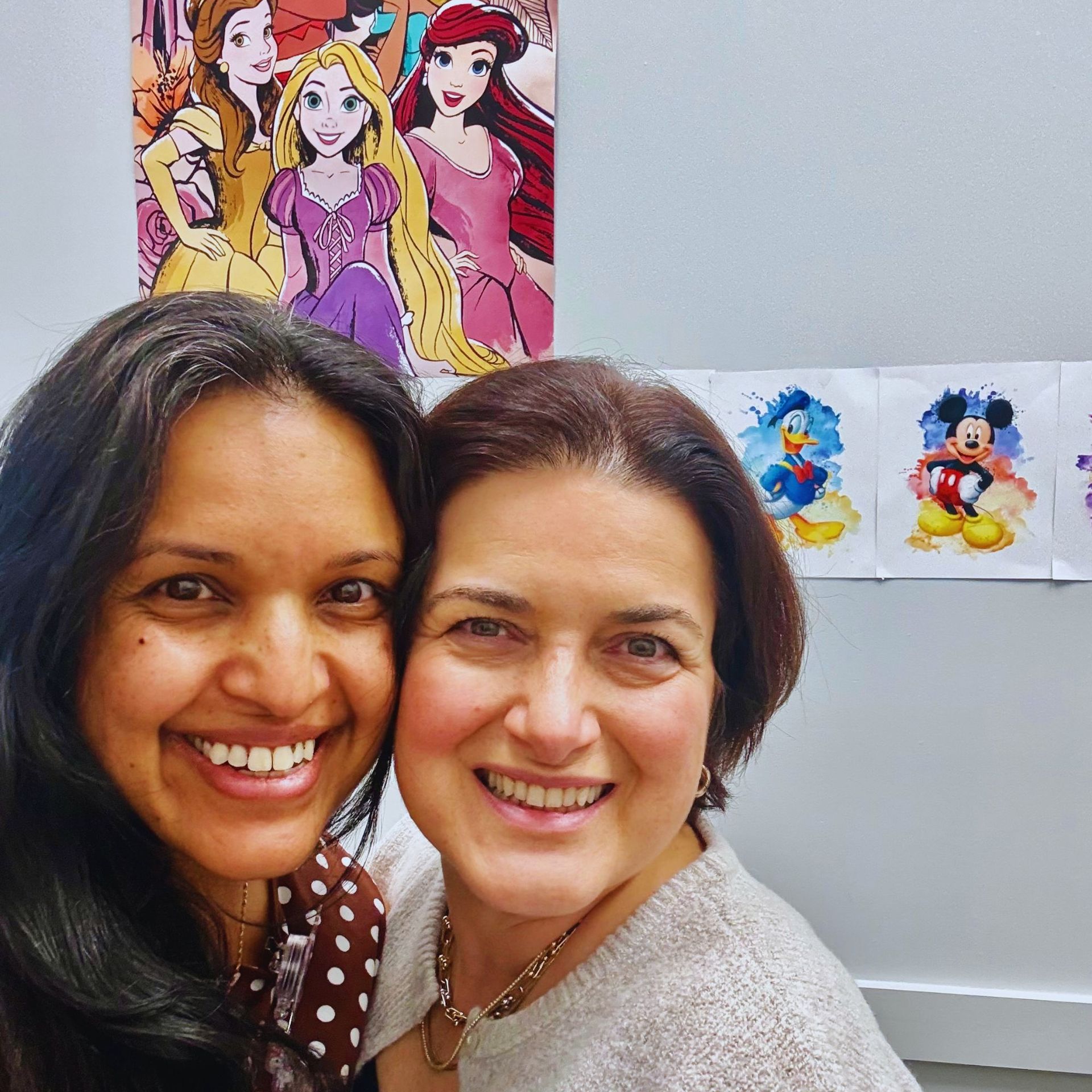
  • Specialized Pediatric Expertise - Our team includes dedicated pediatric eye specialists who focus on diagnosing and treating vision issues unique to children from birth through to 18 years old.
  • Accessible Care — We Accept Most Insurances - Unlike many private practices, we proudly accept a wide range of insurance plans, making high-quality pediatric eye care more accessible for families across Bergen County, Passaic County, and Northern New Jersey.
  • A Child-Friendly Experience - We understand that visiting the eye doctor can feel intimidating for children. Our team creates a calm, engaging, and supportive environment, helping kids feel comfortable and confident during their visit.

Our Services

We provide full-service pediatric ophthalmology and optometrical care, including:

  • Routine eye exams for children
  • Pediatric clinical and surgical eye care
  • Diagnosis and treatment of lazy eye (amblyopia)
  • Strabismus (eye misalignment) management
  • Myopia (nearsightedness) control
  • Vision issues affecting learning and development
  • Eye infections and irritation
  • Prescription glasses and custom fittings 
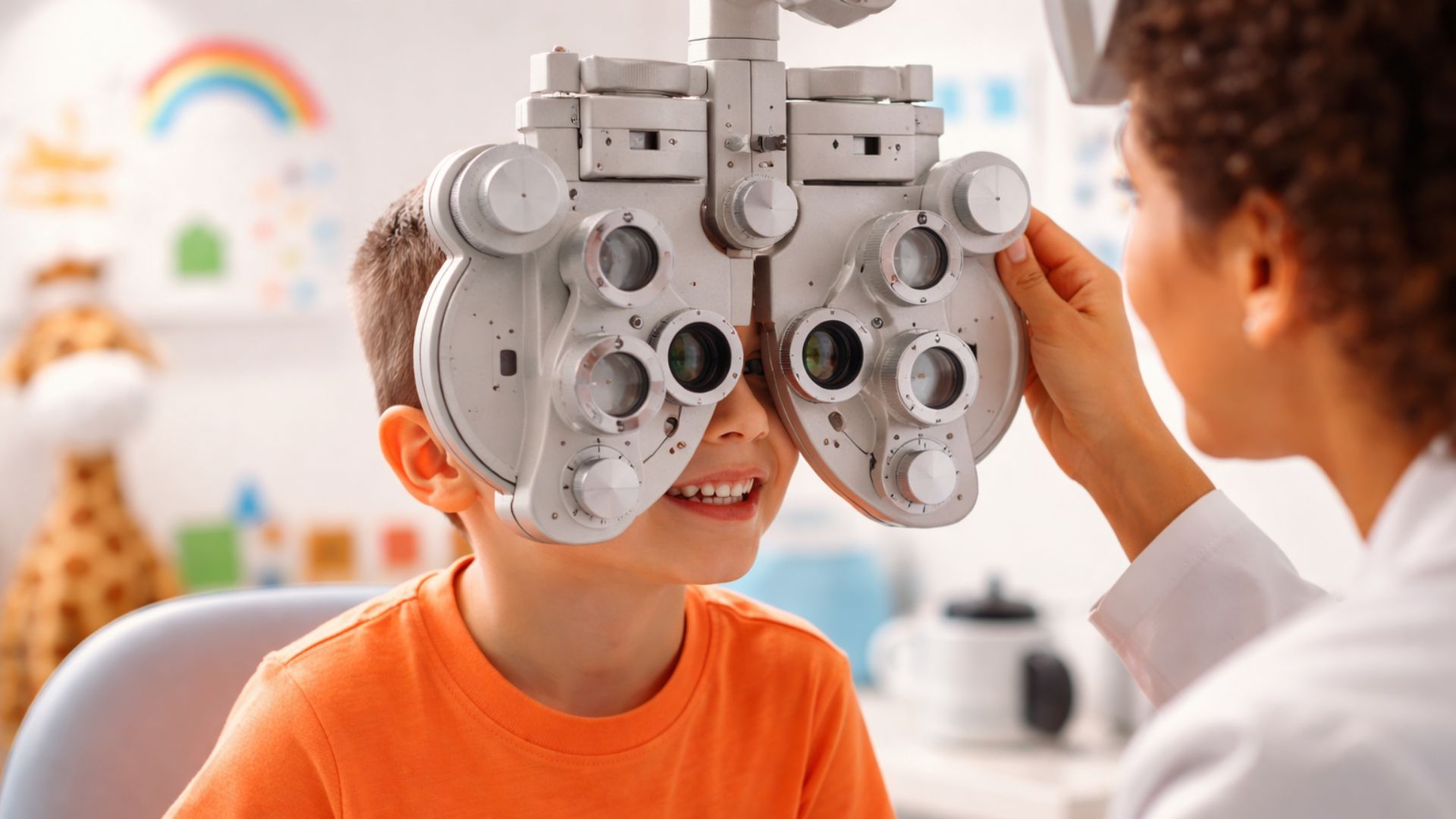
Early Eyesight Assessments Matter

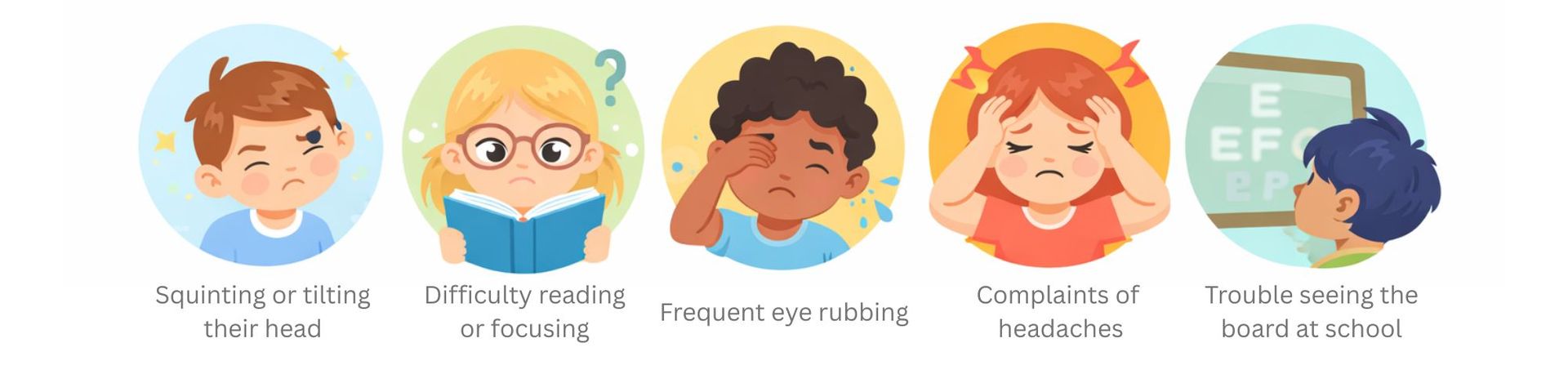
Many childhood vision problems go unnoticed. Early diagnosis can make a significant difference in your child’s development and long-term eye health. Signs your child may need an eye exam:
Meet our Specialists

Luxme Hariharan, M.D. M.P.H.
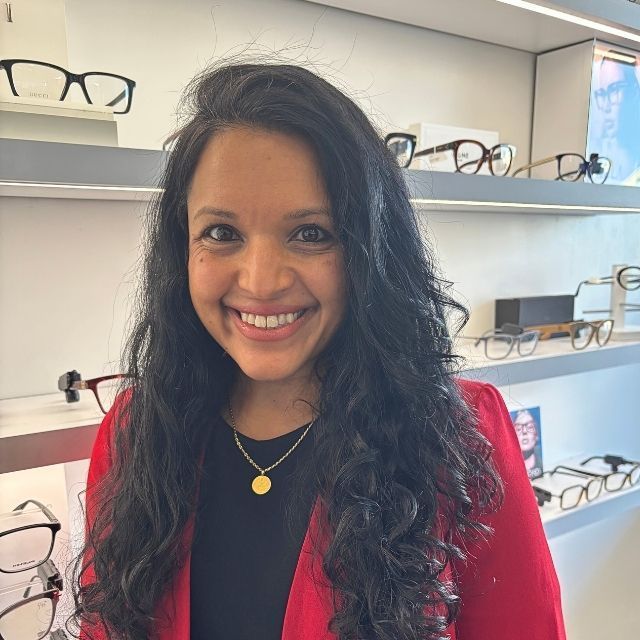
Dr. Luxme Hariharan is a board-certified pediatric ophthalmologist and global leader in childhood blindness prevention, with expertise in complex pediatric eye conditions including strabismus, amblyopia, and retinopathy of prematurity. She has held national leadership roles, including Chief of Ophthalmology at Dayton Children’s Hospital, and has advanced global pediatric eye health initiatives through her work with institutions like the University of Wisconsin and the World Health Organization.

Read Full Bio

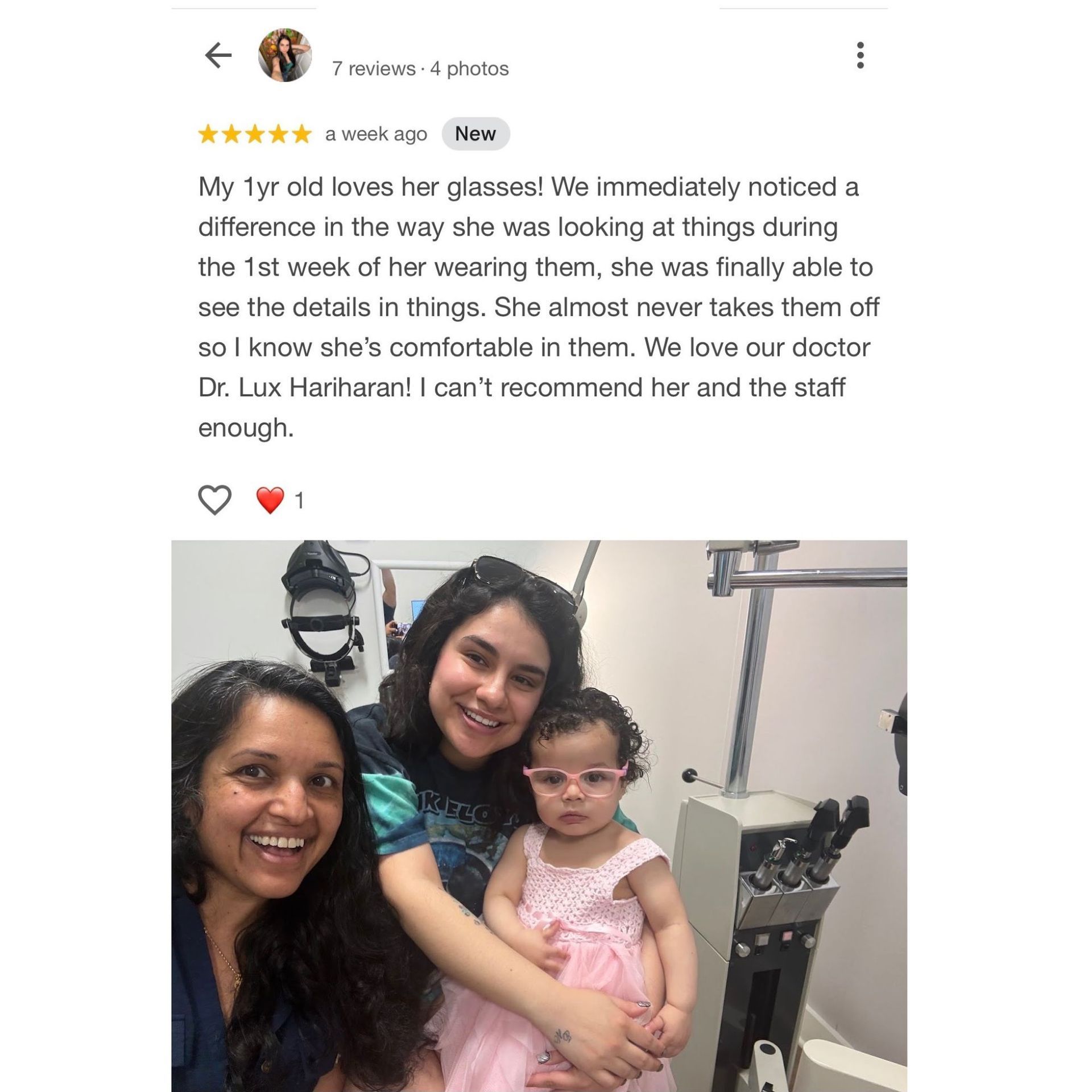
Idil Bilgin, O.D.

Dr. Idil Bilgin is a residency-trained optometrist specializing in pediatrics, binocular vision, and myopia management, with nearly 20 years of experience in pediatric ophthalmology and prior faculty roles at SUNY College of Optometry and UC Berkeley. A Fellow of the American Academy of Optometry, she is dedicated to providing comprehensive, personalized care for patients of all ages, including those with special needs, and is fluent in Turkish with medical proficiency in Spanish.
Read Full Bio
Strabismus is a condition in which the eyes are misaligned or point in different directions. The eyes do not work or turn together in a parallel fashion. Strabismus is one of the most common pediatric eye problems, with approximately 4% of children being born with the condition annually. At NJ Eye and Ear, we have pediatric eye care specialists on staff who can treat strabismus, and many other pediatric vision problems, so your child can grow up seeing the world straight on, with eyes wide open. 

Pediatric Eyecare FAQ's 


  • What causes Strabismus?

    Eye movement is controlled by three pairs of muscles, which are attached to the outside of each eyeball. One set moves the eye right or left, while the other two sets move the eye up and down and control tilting movements. For normal vision, both eyes must line up together and focus on a single object. 

    Strabismus is caused by an eye muscle imbalance. A misplaced muscle or weak muscle causes one eye to turn in, out, up, or down. If the eyes turn in, the person is “cross-eyed.” If the eyes are turned out, the person is “wall-eyed.” Although the exact reason for the defect in the eye muscles is unknown, strabismus is frequently hereditary in nature. Fortunately, it is curable.

  • How does strabismus affect vision?

    In normal vision, both eyes look at the same object at the same time. Each eye then sends a picture to the brain, and these two pictures are blended into one three-dimensional image. 

    Strabismus prevents both eyes from focusing on one object simultaneously. As a result, two conflicting images are sent to the brain. The image sent by the straight or dominant eye is clear, but the message sent by the misaligned or weaker eye is blurry. The brain is unable to blend the two images into one picture. 


    A child with strabismus quickly and unconsciously learns to ignore or suppress the image seen by the weaker eye. The stronger eye takes over, while the misaligned eye becomes lazy from lack of use. If left uncorrected, the weak or lazy eye will eventually develop amblyopia, or a loss of vision. In contrast, the adult brain is already trained to receive images from both eyes and is unable to ignore the image from the misaligned eye. An adult who develops strabismus will usually experience double vision. 


    In any case, the effects of strabismus on one's vision and quality of life can be dire if not diagnosed and corrected promptly. Please call NJ Eye and Ear if you suspect that you or your child have strabismus.


  • What are the symptoms of strabismus?

    Strabismus can often be difficult to detect. The condition may be present at birth, or may develop when the child is two to three years old.


    With strabismus, the eyes may appear abnormal all the time or only when the child is ill, tired, or concentrating on near objects. Besides a misaligned eye, other symptoms of strabismus include turning or tilting of the head, squinting of one or both eyes, getting too close to objects, and not seeing as clearly as others. 


    Infants often appear to have strabismus when they do not. Because the bridge of an infant’s nose is flat and underdeveloped, the extra skin on either side of the nose may cover up the inner white portion of the eye. This makes the eyes appear to be crossed when they are not. As the child grows, the nose narrows and the eyes appear normal. 


    Unfortunately, a child cannot outgrow true strabismus. Left untreated, strabismus can lead to a permanent loss of vision. Therefore, early eye examinations are extremely important in the detection of strabismus, as well as other pediatric eye problems. Call NJ Eye and Ear to schedule regular eye exams for your baby, starting at 6 months of age.


  • How is strabismus diagnosed?

    Only a thorough eye examination by a pediatric eye care specialist can properly diagnose or rule out strabismus. 


    After the medical history of the child and family are gathered, the child’s eyes are tested. Vision may be tested with the "E test" in which the child is asked to point in the same direction as the “fingers” of a capital E on the eye chart. A series of progressively smaller E’s is used to determine how well the child can see. 


    With infants or very young children, a picture chart or the ability to follow a small object may be used as a substitute for the E test. External eye muscles are tested by examining how each eye moves.The eyes are also checked for any signs of disease with an ophthalmoscope, a special lighted instrument for examining the back of the eyes.


    If your pediatric eye care specialist determines that your child does indeed have strabismus, they will recommend an appropriate course of treatment, which should begin immediately. 


  • How is strabismus treated?

    Time is of the essence when it comes to effectively treating strabismus and preserving your child's vision! If strabismus is not corrected by the age of six, your child will probably have poor vision for the rest of his life. NJ Eye and Ear does not want to see that happen. 


    The treatment of strabismus has three main objectives: first, to restore good vision, then to straighten the eyes, and finally, if possible, to make the eyes work together. A combination of corrective glasses, patching, eye drops, eye exercises, and surgery is used to treat strabismus. 


    Children who are farsighted may cross their eyes when looking at close objects. In such cases, glasses are often prescribed to help straighten a child’s eyes. Sometimes, eye glasses which correct farsightedness will successfully straighten the eyes. However, additional treatment is often necessary. Patching the good eye or using medicated eye drops to temporarily blur vision in the good eye may be used to encourage use of the misaligned eye. When the vision of the straight eye is blocked, the lazy eye is forced to work. The earlier patching is started, the more effective it will be. The later it is started, the longer it will take to correct strabismus.


    Eye exercises may also be helpful in some cases of strabismus. The exercises are designed to help the eyes move together and to focus on the same object at the same time. If nonsurgical methods fail to correct strabismus, surgery to adjust the muscle tension in one or both eyes may be necessary. A tiny incision is made in the outer covering of the eye where the muscles are attached. The muscles are either strengthened or weakened to achieve the correct tension. The incision is closed with tiny stitches which are absorbed by the eye tissue. The patient is usually able to return to normal activities a couple of days after surgery. 


    Although one surgery is usually sufficient to correct strabismus, more than one operation may be needed in more severe cases. In addition, glasses and patching may still be required after surgery to complete the treatment. If a treatment program is started early and followed carefully, strabismus can be corrected. Both you and your child must stick to the treatment plan to ensure permanent straightening of the eyes and good vision. 

  • What is myopia and why is it important for children?

    Myopia means difficulty seeing things clearly at a distance, like the board at school or a screen across the room. Myopia control is important as it can progress as children grow. Managing it early can help reduce the risk of more serious eye health issues later in life.

  • What options are available for myopia control?

    There are several approaches, including specially designed soft contact lenses, glasses, and treatment plans tailored to your child’s needs.

  • At what age should my child be evaluated for myopia?

    Children should have regular eye exams starting at a young age, especially if they are having trouble seeing, focusing, or keeping up in school.

  • Are contact lenses safe for children and teens?

    Yes—when used properly and with guidance from an eye care professional, contact lenses can be a safe and effective option for children.

  • What are the benefits of contact lenses for children and teens?

    They can improve vision during sports, boost confidence, and provide a wider field of view compared to glasses.

  • At what age can children start wearing contact lenses?

    There’s no strict age. It depends on the child’s maturity and ability to follow proper care routines.

  • Do children need special types of contact lenses?

    Some children may benefit from lenses designed specifically for myopia control, which can help manage vision changes over time.

  • How can vision affect learning?

    Vision plays a key role in reading, writing, and focus. Undiagnosed vision issues can sometimes impact a child’s performance in school.

  • Do you work with children with learning difficulties or special needs?

    Dr. Bilgin has a special interest in evaluating children with learning difficulties, helping to identify whether vision may be contributing to challenges in the classroom.

  • What can parents expect during an evaluation?

    A comprehensive, child-friendly assessment that looks beyond standard vision testing to better understand how your child’s eyes are working together.