How Does a Hair Transplant Work? A Complete Guide to the Process
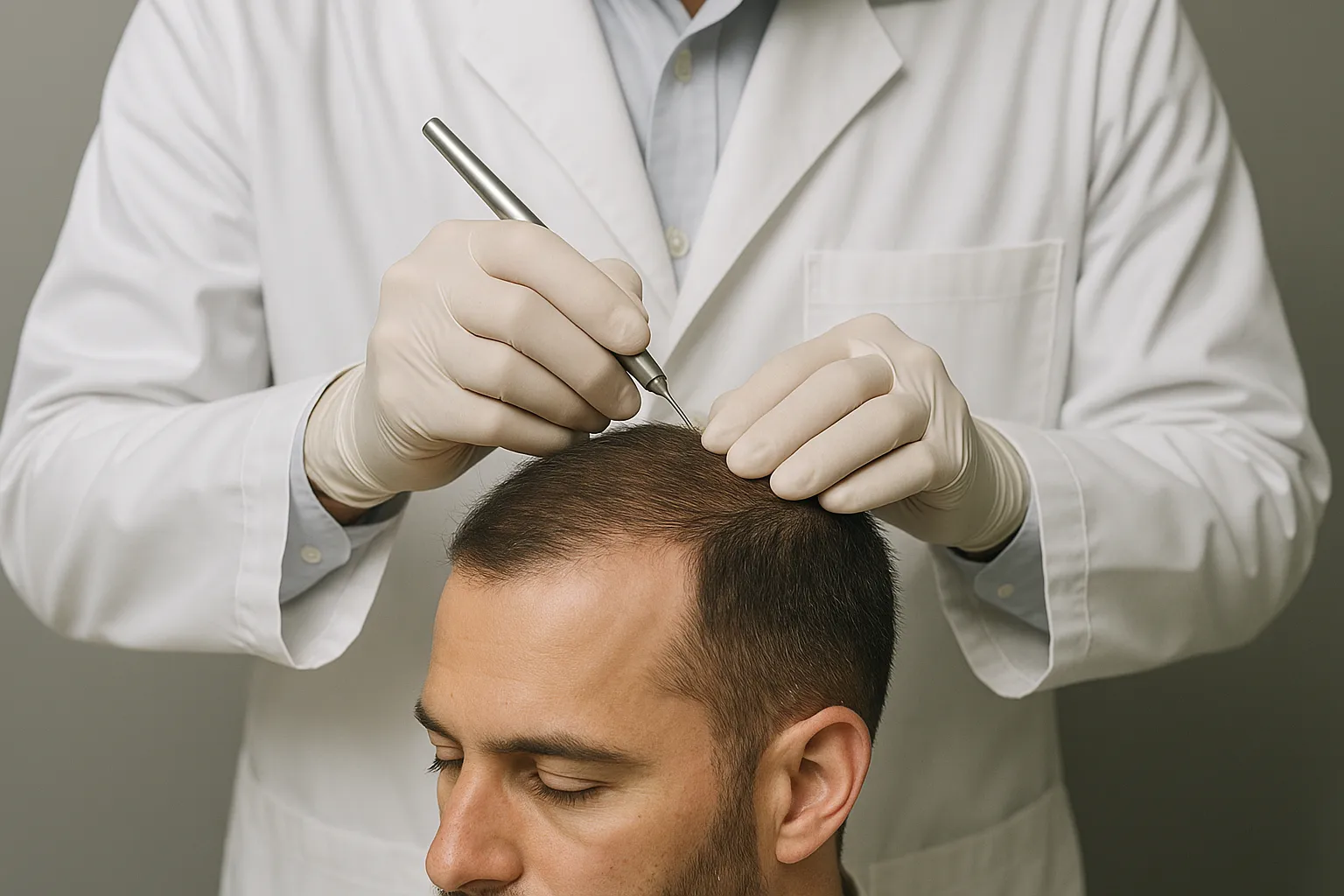
If you're dealing with thinning hair or a receding hairline, understanding how a hair transplant actually works can help you decide whether it's the right option for you. In simple terms, the procedure involves relocating healthy hair follicles to thinning or balding areas, where they can grow naturally over time.
A hair transplant is a surgical procedure that moves hair follicles from a donor area to areas of thinning or hair loss. Growth is gradual, not immediate, with visible improvement typically building over several months. If you're exploring options, a consultation with a hair restoration specialist in Englewood or Clifton, NJ can help determine whether you're a good candidate and what results you can realistically expect.
What Is a Hair Transplant?
A hair transplant is a surgical procedure designed to restore hair in areas affected by thinning or baldness. It works by relocating healthy, active hair follicles, typically from a donor area with denser growth, to the areas that need coverage.
Because the transplanted follicles come from your own scalp, the new hair generally grows and behaves like your natural hair once it's established. This is different from non-surgical options like topical treatments or hairpieces, which do not permanently regrow hair in the treated area.
What Causes Hair Loss in the First Place?
Hair loss can result from several factors, including genetics, hormonal changes, aging, certain medical conditions, and, in some cases, stress or nutritional deficiencies. Male and female pattern hair loss are among the most common causes seen in practice, though the underlying pattern and progression can vary significantly from person to person.
Understanding the cause of your hair loss is an important part of determining whether a transplant is likely to produce a good, lasting result, or whether other treatments should be considered alongside or instead of surgery.
Who Is a Good Candidate for a Hair Transplant?
Good candidacy generally depends on factors such as the pattern and extent of hair loss, the availability of healthy donor hair, scalp condition, and overall health. Not everyone experiencing hair thinning is automatically a candidate, which is why an in-person evaluation matters more than assumptions based on age or hair loss stage alone.
A consultation typically involves reviewing your hair loss history, examining the scalp and donor areas, and discussing your goals before recommending whether a transplant, a non-surgical approach, or a combination of treatments makes the most sense.
What Happens During the Procedure?
While specific techniques can vary, hair transplant procedures generally involve harvesting follicles from a donor area and carefully placing them into the thinning or balding region in a pattern designed to look natural. The goal is to match the angle, direction, and density of your existing hair as closely as possible.
Because this requires precision and an understanding of natural hairline design, the surgeon's experience and technique play a significant role in how natural the final result looks.
How Long Does Recovery Take?
Recovery from a hair transplant is generally shorter than many people expect. Most patients can return to typical daily activities within a relatively short window, though your surgeon will provide specific guidance based on your procedure and healing progress.
Some mild redness, swelling, or scabbing in the treated area is common in the days following the procedure and typically resolves on its own with proper aftercare.
When Will You See Hair Growth?
Growth after a hair transplant follows a gradual timeline rather than an immediate change. New hair growth generally begins within about three months of the procedure. By around the six-month mark, roughly 80% of transplanted hairs should have penetrated the skin, with continued thickening and refinement in the following months.
This means the most noticeable, mature results typically take closer to a year to fully develop. Setting realistic expectations about this timeline before your procedure can help you avoid unnecessary worry during the early growth phase.
Are Hair Transplant Results Permanent?
Because transplanted follicles are typically taken from areas that are naturally more resistant to the pattern of hair loss, results are generally intended to be long-lasting rather than a temporary fix. However, ongoing hair health, and in some cases, additional non-surgical care, can support how your results look over time.
Discussing long-term expectations during your consultation can help you understand what to expect years down the road, not just in the months immediately following surgery.
What Should You Look for in a Hair Transplant Provider?
Because outcomes depend heavily on surgical skill and technique, provider experience is one of the most important factors to consider. Look for a board-certified surgeon with substantial hands-on experience specifically in hair restoration, not just general cosmetic procedures.
At NJ Eye and Ear, hair restoration is led by a double board-certified facial plastic surgeon with more than 20 years of experience and over 15,000 successful procedures across facial plastic, reconstructive, and hair restoration surgery. That depth of experience is one reason patients travel from across New Jersey and the greater New York City area for consultations at the practice's Englewood and Clifton locations.
What Questions Should You Ask During a Consultation?
A good consultation should leave you with a clear understanding of your candidacy, the recommended approach, expected timeline, and realistic outcome for your specific case. Useful questions to bring include:
- What pattern and stage of hair loss do I have?
- Am I a good candidate for a transplant, or would another treatment be more appropriate?
- What growth timeline should I expect based on my specific case?
- How many procedures, if any, might I need over time?
- What does aftercare and recovery look like for me specifically?
Final Thoughts on How Hair Transplants Work
A hair transplant works by relocating healthy hair follicles to thinning or balding areas, with growth developing gradually over several months rather than overnight. Recovery is typically shorter than expected, though full, mature results take closer to a year to appear.
Because outcomes depend so heavily on surgical precision and experience, choosing an established, board-certified provider matters. If you're considering hair restoration and want a realistic picture of what to expect based on your own hair and scalp, contact NJ Eye and Ear today to schedule a consultation at either the Englewood or Clifton, NJ location.
FAQs
How does a hair transplant work?
It involves relocating healthy hair follicles from a donor area to thinning or balding areas, where they gradually grow in over several months.
How soon will I see results?
New growth typically begins around three months after the procedure, with roughly 80% of transplanted hairs penetrating the skin by around six months.
Is hair transplant recovery long?
No, most patients return to normal activities within a relatively short window, though full results take longer to develop than the physical recovery itself.
Are hair transplant results permanent?
Results are generally intended to be long-lasting, since transplanted follicles are typically taken from areas naturally resistant to hair loss patterns.
What should I look for in a provider?
Look for a board-certified surgeon with substantial hands-on experience specifically in hair restoration, since outcomes depend heavily on skill and technique.