
What are Nasal Turbinates, and Nasal Obstruction
Yasmina Ahmed, M.D. • September 23, 2021
What are nasal turbinates?
Nasal obstruction may occur secondary to enlarged nasal turbinates. The nasal turbinates are paired bony structures covered with mucosa (lining) arising from the lateral nasal wall. Your nasal turbinates normally act to humidify the air we breathe. The mucosa (lining) of the inferior turbinate will often shrink and swell as part of the normal nasal cycle. However, in some patients when the turbinate bone and/or mucosal lining enlarges significantly this can cause the sensation of nasal obstruction (difficulty breathing through your nose). The mucosa (lining) of the nose can become swollen in response to allergies, inflammation, and infection. The turbinate bone may also become enlarged which further contributes to nasal obstruction.
What are the symptoms of nasal obstruction?
Symptoms of nasal obstruction include rhinorrhea (runny nose), nasal congestion or stuffiness, nasal blockage, difficulty breathing through your nose, postnasal drip, trouble sleeping, and facial pain/pressure.
What treatments are available to treat enlarged turbinates?
There are medical and surgical treatments available. Typically a significant portion of patients experience improvement with medications such as intranasal steroid sprays, intranasal antihistamine sprays, nasal saline rinses, and oral allergy medications. For patients with inadequate relief with medical therapy, there are several surgical options available (e.g. turbinate outfracture and turbinate reduction). Nasal turbinate surgery can be combined with other nasal airway procedures (e.g. septoplasty, internal nasal valve surgery and/or sinus surgery) to further improve your nasal breathing. The surgical procedure indicated depends on your nasal anatomy and thorough discussion with your surgeon.
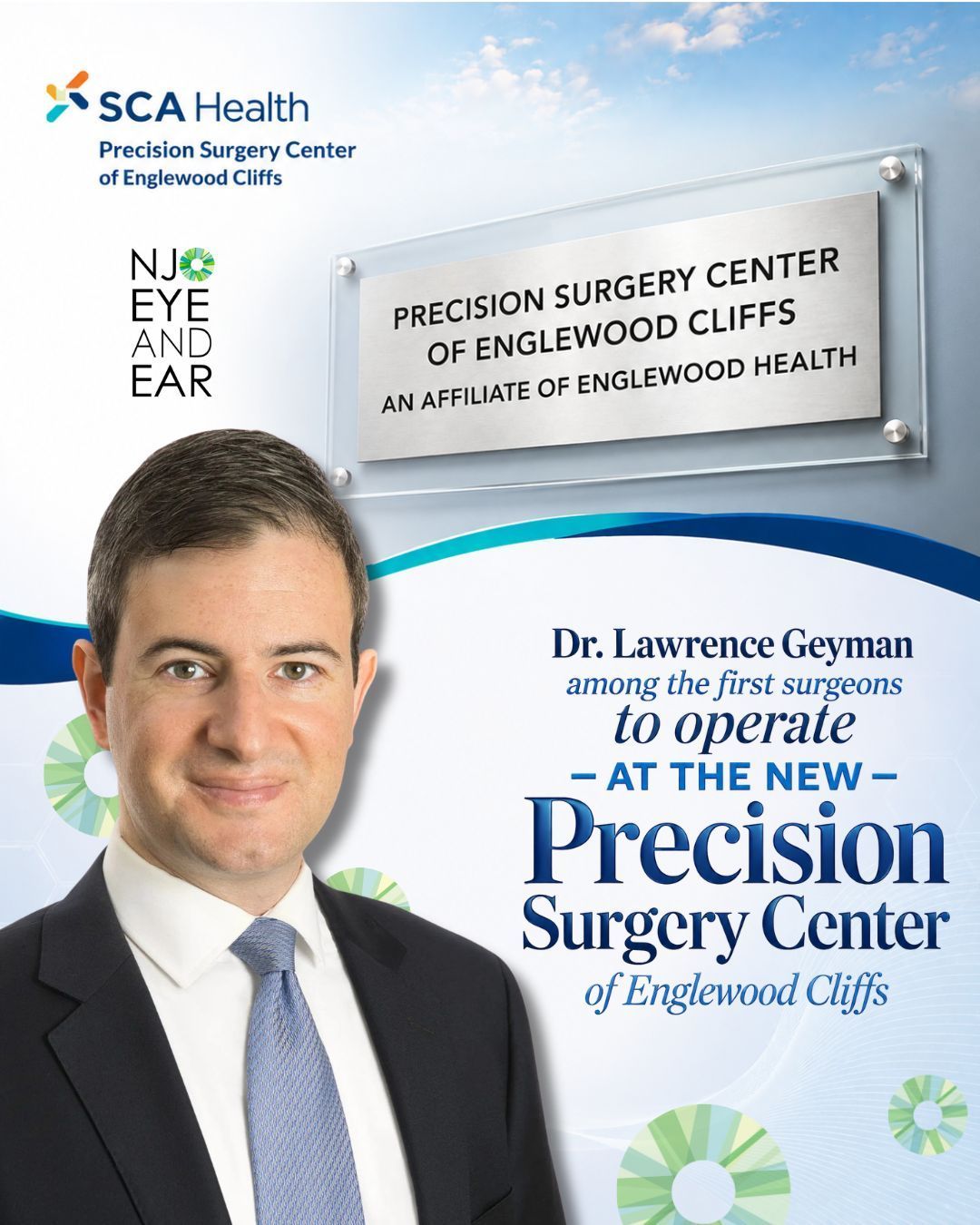
NJ Eye and Ear Specialists Begin Performing Procedures at New State-of-the-Art Preision Surgery Center

Nose always runny?

January is Glaucoma Awareness Month, a time to raise awareness about one of the leading causes of irreversible vision loss in the United States. Often called the “silent thief of sight,” glaucoma can develop without noticeable symptoms in its early stages, making regular eye exams in New Jersey essential for protecting long-term vision health. More than four million Americans are currently living with glaucoma, and many do not realize they have it. The condition damages the optic nerve, typically due to increased eye pressure, and often begins by affecting peripheral vision. Without early detection and treatment, this vision loss can become permanent. Who Is at Risk for Glaucoma? While anyone can develop glaucoma, certain factors can increase your risk, including: Being over the age of 60 Having a family history of glaucoma Belonging to certain ethnic backgrounds Living with diabetes or high eye pressure Understanding your personal risk and scheduling routine glaucoma screenings in New Jersey can make a meaningful difference in preserving your sight. The Importance of Comprehensive Eye Exams The most effective way to detect glaucoma early is through a comprehensive dilated eye exam. This exam allows your eye care provider to measure eye pressure, evaluate the optic nerve, and check for subtle changes in your field of vision—often before symptoms appear. Book Your Glaucoma Screening in New Jersey At NJ Eye and Ear, our ophthalmology and optometry team provides personalized care using advanced diagnostic technology to help patients detect and manage glaucoma as early as possible. This January, take a proactive step toward protecting your vision. Book your glaucoma screening in New Jersey today and safeguard your sight for the future.

Celebrating Our Award-Winning Doctors at NJ Eye and Ear!

Black Friday aesthetics promotions in New Jersey. Deals on botox, fillers, IPL hair removal, microneedling and lots more

Say Hello to Eye-Safe Glam: Twenty/Twenty Beauty Now Available at NJ Eye and Ear
Dr. Lawrence Geyman discusses treatment options for Glaucoma.

Eat Pistachios for Better Eye Health
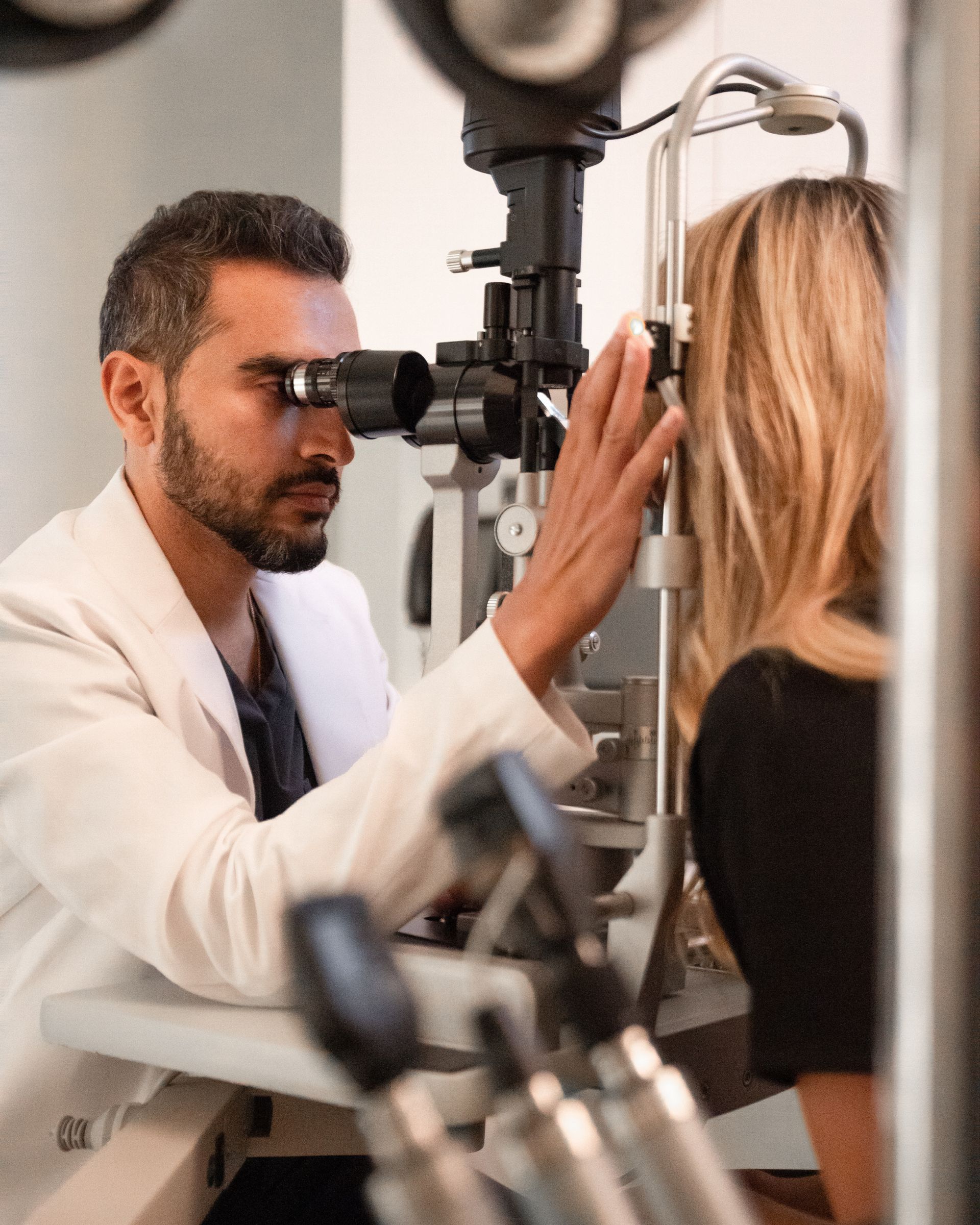
July is Dry Eye Awareness month and your symptoms could be due to dry eye.
What is Dry Eye?