
Noise Induced Hearing loss – How loud is too loud?
Yonah Orlofsky, AuD • August 12, 2020
Noise Induced Hearing loss – How loud is too loud?
People often wonder at what point does loud noise exposure become dangerous to our auditory system. First, we need to understand why loud noise would potentially cause a hearing loss. On a simplistic level, sound enters our ear and hair cells inside the inner ear pick up the sound and send signals to the brain. When very loud sounds reach the inner ear they can either temporarily or permanently damage those hair cells, inhibiting them from functioning properly. OSHA (occupational safety and health administration) recommends that individuals who are working in loud environments should limit their exposure to 85dB –90dB over a period of 8 hours. Every increase of 5dB requires the person to limit their exposure by half of that amount of time. (I.e. 95 db of exposure for 4 hours only.) This means that if someone listens to music through their headphones at a soft or moderate level, they can listen for a long time without fearing any damage to their inner ear. (Many experts recommend to keep the volume on your I-Phone to about 60% of the way up on the slider to ensure healthy hearing levels ) On the other hand, if someone is exposed 100dB sound or louder, they can potentially impair their hearing even in a short amount of exposure. ASHA American Speech and Hearing Association) created the following easy- to- read chart for understanding which environmental noises can be dangerous. If you are someone who is exposed to loud noise - speak to an audiologist about hearing protection solutions.
Painful impulse noise—Not safe for any period of time
150 dBP = fireworks at 3 feet, firecracker, shotgun
140 dBP = firearms
Painful steady noise—Not safe for any period of time
130 dBA = jackhammer
120 dBA = jet plane takeoff, siren, pneumatic drill
Extremely loud—Dangerous to hearing; wear earplugs or earmuffs
112 dBA = maximum output of some MP3 players, rock concert, chainsaw
106 dBA = gas leaf blower, snow blower
100 dBA = tractor, listening with earphones
94 dBA = hair dryer, kitchen blender, food processor
Very loud—Dangerous to hearing; wear earplugs or earmuffs
91 dBA = subway, passing motorcycle, gas mower
Moderate—Safe listening for any time period
70 dBA = group conversation, vacuum cleaner, alarm clock
60 dBA = typical conversation, dishwasher, clothes dryer
50 dBA = moderate rainfall
40 dBA = quiet room
Learn how hair transplants work, what to expect during recovery, realistic growth timelines, candidacy factors, and how to choose the right specialist.
Learn about dermal fillers, including HA, Radiesse, and Bellafill. Discover how fillers work, treatment options, recovery, and what to expect in NJ.

Discover what to expect during rhinoplasty recovery, including swelling, bruising, breathing, activity restrictions, and results timeline, plus healing tips.
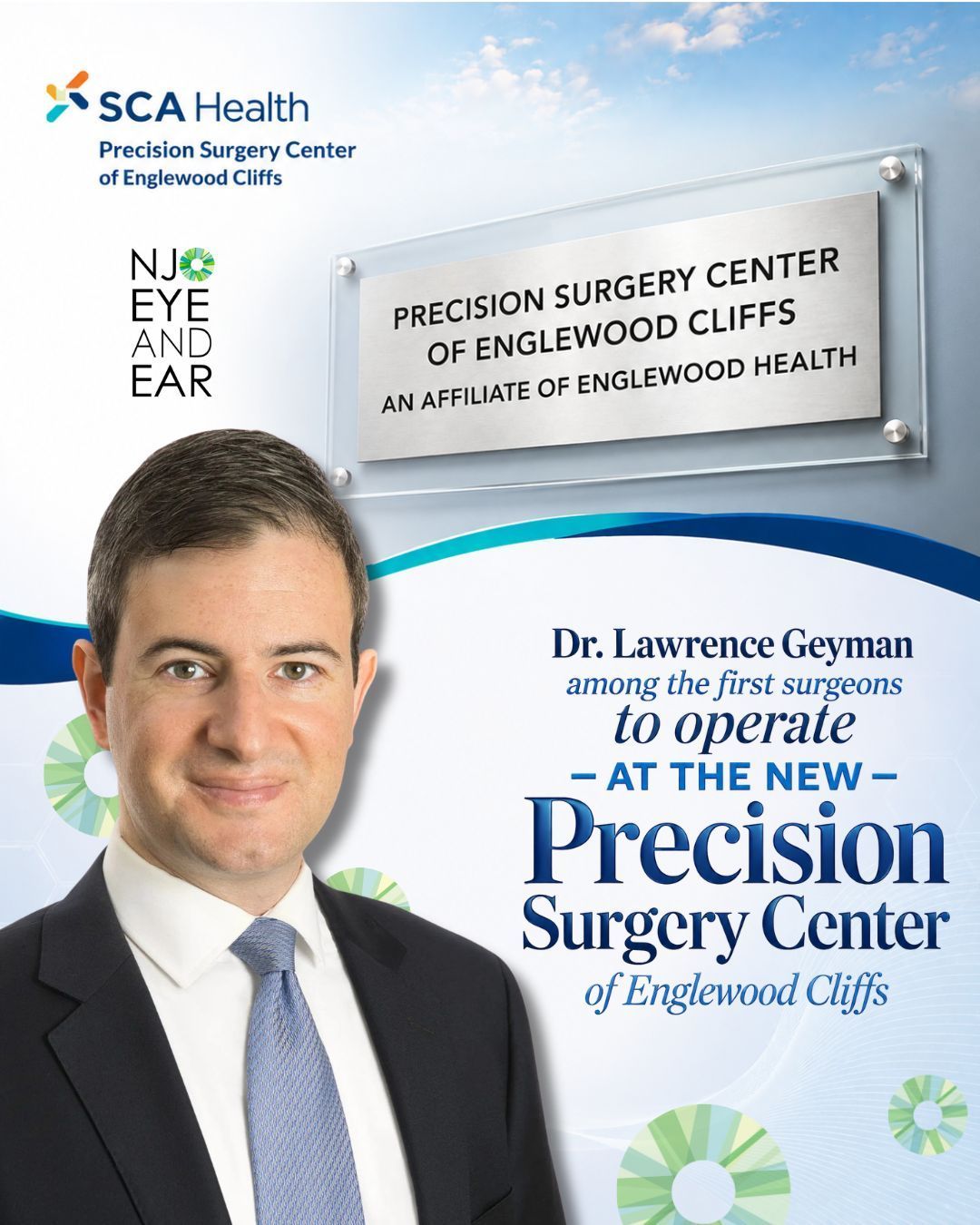
NJ Eye and Ear Specialists Begin Performing Procedures at New State-of-the-Art Preision Surgery Center
Nose always runny?

January is Glaucoma Awareness Month, a time to raise awareness about one of the leading causes of irreversible vision loss in the United States. Often called the “silent thief of sight,” glaucoma can develop without noticeable symptoms in its early stages, making regular eye exams in New Jersey essential for protecting long-term vision health. More than four million Americans are currently living with glaucoma, and many do not realize they have it. The condition damages the optic nerve, typically due to increased eye pressure, and often begins by affecting peripheral vision. Without early detection and treatment, this vision loss can become permanent. Who Is at Risk for Glaucoma? While anyone can develop glaucoma, certain factors can increase your risk, including: Being over the age of 60 Having a family history of glaucoma Belonging to certain ethnic backgrounds Living with diabetes or high eye pressure Understanding your personal risk and scheduling routine glaucoma screenings in New Jersey can make a meaningful difference in preserving your sight. The Importance of Comprehensive Eye Exams The most effective way to detect glaucoma early is through a comprehensive dilated eye exam. This exam allows your eye care provider to measure eye pressure, evaluate the optic nerve, and check for subtle changes in your field of vision—often before symptoms appear. Book Your Glaucoma Screening in New Jersey At NJ Eye and Ear, our ophthalmology and optometry team provides personalized care using advanced diagnostic technology to help patients detect and manage glaucoma as early as possible. This January, take a proactive step toward protecting your vision. Book your glaucoma screening in New Jersey today and safeguard your sight for the future.

Celebrating Our Award-Winning Doctors at NJ Eye and Ear!

Black Friday aesthetics promotions in New Jersey. Deals on botox, fillers, IPL hair removal, microneedling and lots more

Say Hello to Eye-Safe Glam: Twenty/Twenty Beauty Now Available at NJ Eye and Ear
Dr. Lawrence Geyman discusses treatment options for Glaucoma.