Why is it important to get your flu vaccine?
Doctor: Why is it important to get your flu vaccine?
Doctor: Why is it important to get my flu vaccine?
What is the flu?
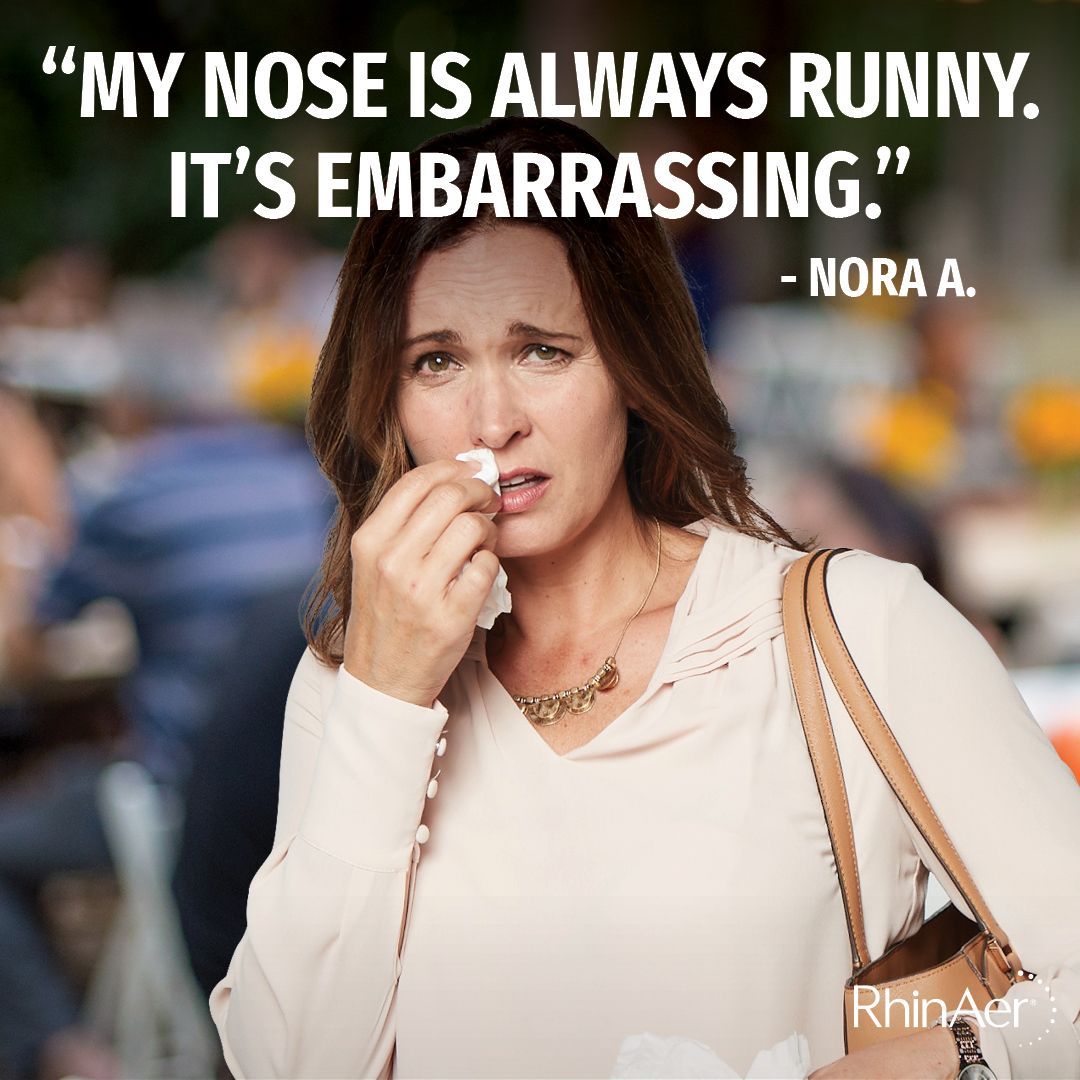
Influenza (flu) is a respiratory illness caused the virus influenza. The presentation of flu can vary from mild to severe illness with any or some of the following symptoms – fever/chills, cough, sore throat, runny nose, muscle aches, headaches, fatigue, vomiting/diarrhea. Symptoms may persist for days or weeks and can be highly contagious.
Adults >65 years of age, pregnant people, children <2 years of age and people with chronic medical conditions are at increased risk of developing serious complications from the flu. Serious complications from the flu include bacterial pneumonia, sinus infections, and sometimes death.
Why should I get vaccinated?
Each year, the influenza virus results in hundreds of thousands of hospitalizations and tens of thousands of deaths in the United States alone.
1. Getting the flu vaccine can decrease your chances of getting sick with flu. Studies have shown that flu vaccination can reduce your risk of contracting influenza virus. If you do happen to get sick and you are vaccinated, studies have shown that the severity of your illness is reduced. Furthermore, the risk of being hospitalized and dying from flu are also decreased.
2. Getting the flu vaccine can protect the people around you. By getting vaccinated you can help protect those around you who are more vulnerable to getting serious flu illness such as young children, older adults, pregnant people and people with chronic medical conditions.
3. This year is especially important to get your flu vaccine. Last year there were a record low number of flu cases which means that fewer people are likely to have immunity to the influenza strains circulating this year. This means that this year, there is predicted to be an increase in the number and severity of flu cases this year. Additionally, with the surging cases of COVID-19 as well as other circulating respiratory viruses such as RSV, respiratory syncytial virus, there is an increased risk of contracting two respiratory viruses at the same time. Contracting two respiratory illnesses is more likely to result in a serious illness.
Who should get vaccinated?
Anyone >6 months of age should get vaccinated unless otherwise advised by your doctor. If you are not sure, please ask your doctor.
When should I get vaccinated?
The flu season lasts from October to May. The CDC recommends that you try to obtain your flu vaccine by the end of October.
Is it safe to get my COVID-19 booster shot and the flu shot at the same time?
Yes! You can get your extra dose of COVID-19 vaccine and your flu vaccine on the same day.