
Eyes feeling scratchy, becoming red or blurry?
Gautam Kamthan, MD • July 30, 2024
July is Dry Eye Awareness month and your symptoms could be due to dry eye.
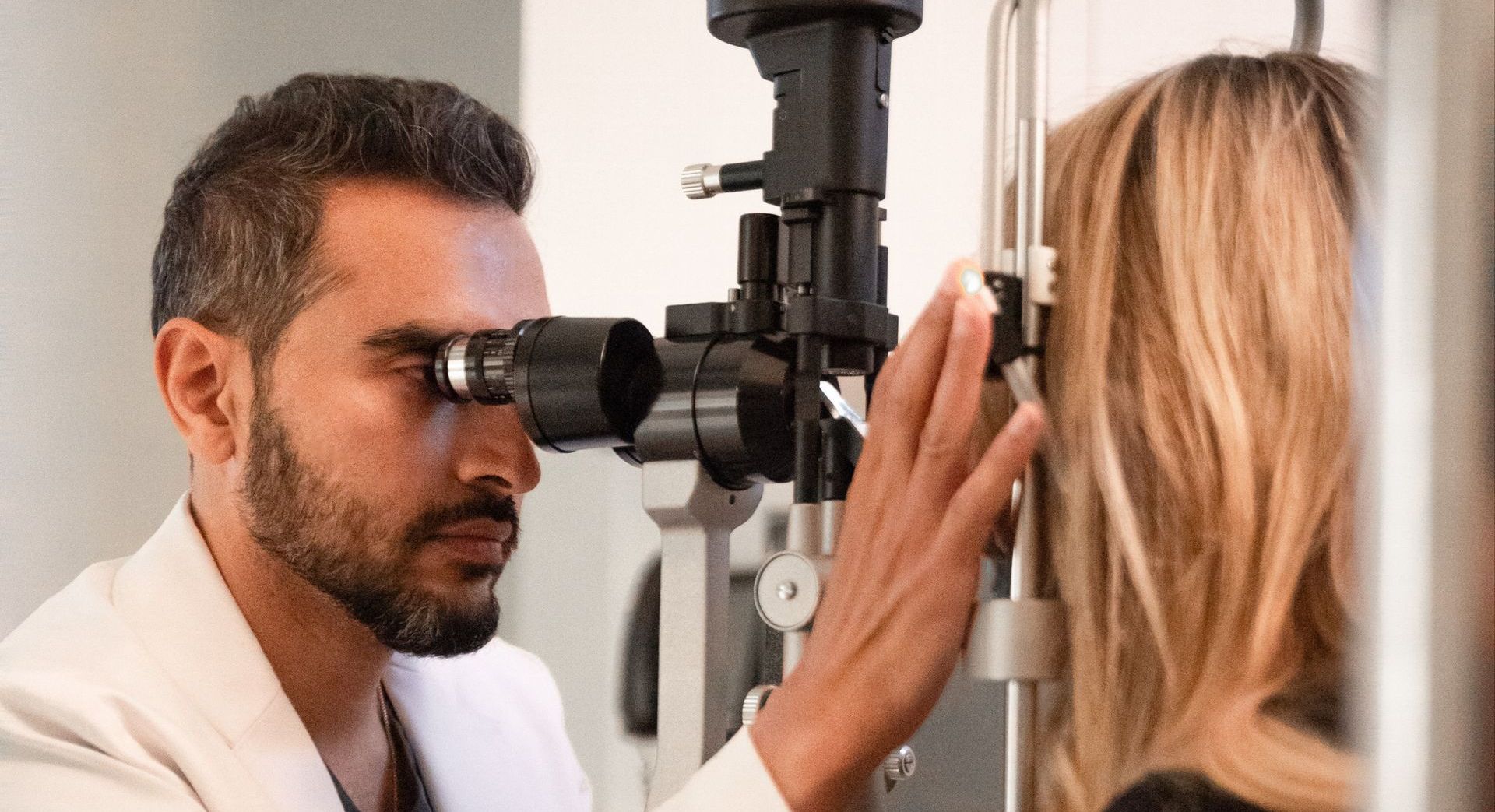
Dry eye disease is a prevalent and sometimes debilitating condition due to inadequate lubrication or rapid evaporation from the surface of the eye. It can cause blurry vision, discomfort, redness, and a chronic gritty sensation. The prevalence of dry eye disease in the United States is estimated to affect over 16 million adults. This might be an underestimate, as many people may not seek medical attention for milder symptoms. The impact of dry eye disease is more than simple discomfort; it can impair many daily activities such as reading, driving, and working on a computer. It is considered a chronic pain condition and can deteriorate one’s quality of life.
Causes of dry eye can be numerous, including even a fan, heater, or air conditioner near your bed while sleeping.
Wearing contact lenses or prolonged computer and cellphone use can also be culprits. Lastly, eye surgeries, such as LASIK and cataract surgery, are known to worsen dry eye symptoms. Patients undergoing these procedures are advised to optimize their dry eye before surgery to minimize issues afterwards. Addressing any dryness before surgery is also critical for the ophthalmologist to get the most accurate measurements for the best chance at good vision after surgery. The good news is, with proper management before and after surgery, the symptoms of dry eye can be minimal to none.
There are various treatments for dry eye and they must be customized for every patient depending on the severity. Initial therapies can include over-the-counter medications, such as artificial tears that can relieve symptoms by lubricating the surface of the eye. If these do not adequately control symptoms, prescription medications, such as cyclosporine (Restasis) and lifitegrast (Xiidra)
among others, can be used to increase natural tear production and reduce inflammation on the surface of the eye. For some individuals, even these treatments are not sufficient however. This can be due to underlying medical conditions, such as Sjogren’s disease or thyroid imbalances. These patients and others who are dissatisfied with their symptoms can benefit from treatments such as amniotic membrane application. These can protect the cornea, reduce inflammation, and promote regeneration of the eye’s surface. For those patients struggling despite consistent use of eyedrops, these and other therapies can be game changing.
Thankfully, there are a multitude of treatments available to alleviate dry eye. With a comprehensive and tailored approach from an eyecare specialist, your dry eye symptoms can be better by next July.
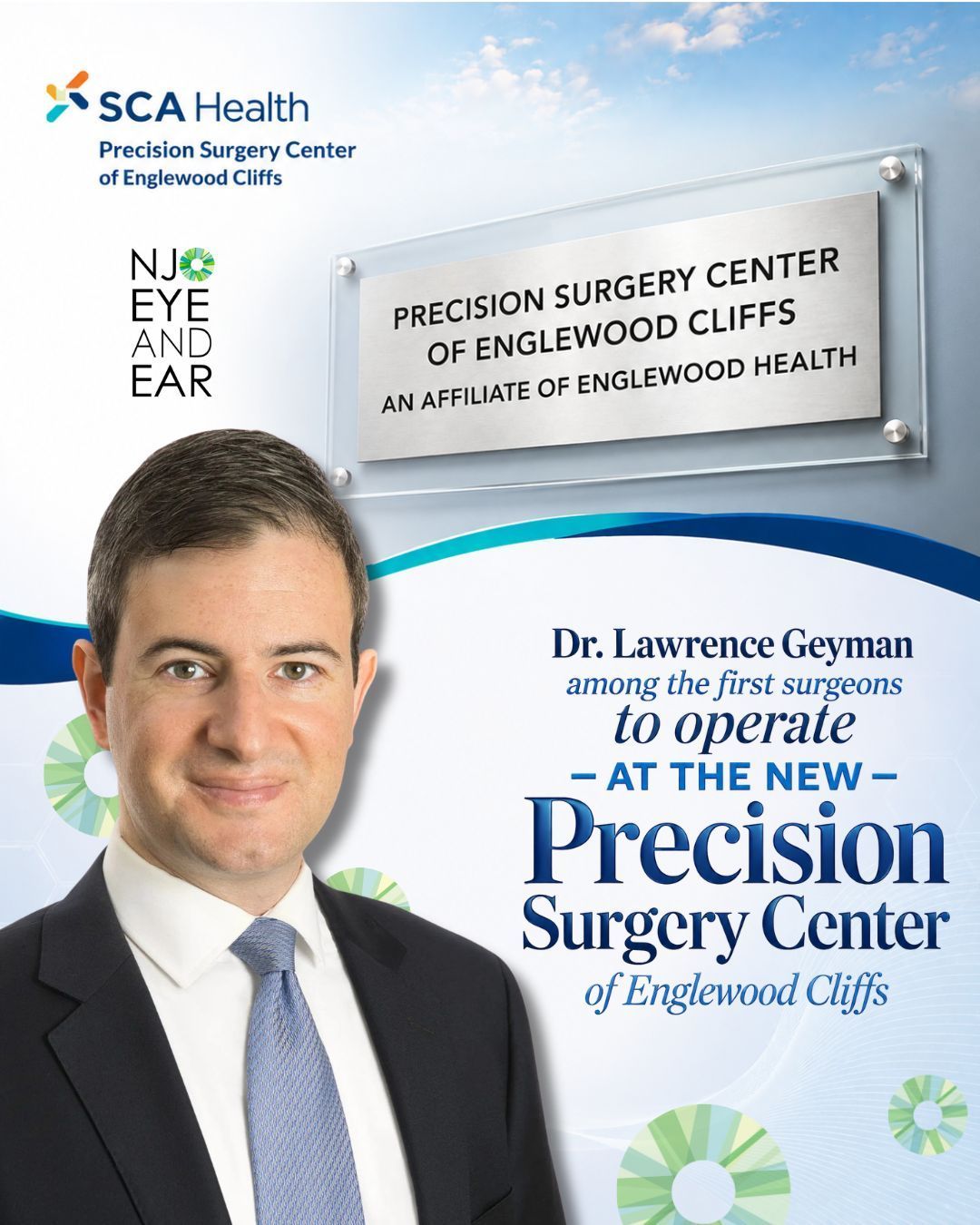
NJ Eye and Ear Specialists Begin Performing Procedures at New State-of-the-Art Preision Surgery Center
Nose always runny?

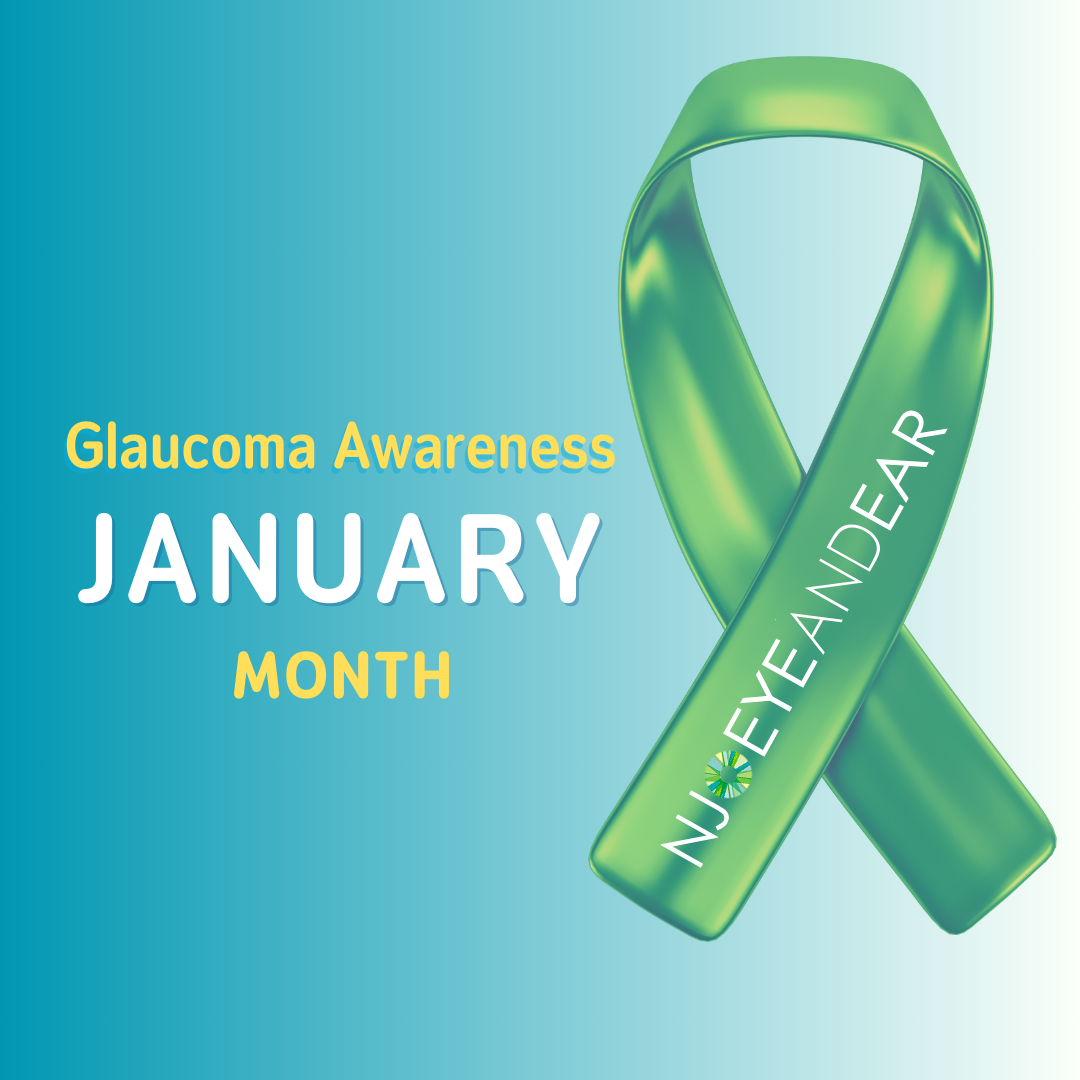
January is Glaucoma Awareness Month, a time to raise awareness about one of the leading causes of irreversible vision loss in the United States. Often called the “silent thief of sight,” glaucoma can develop without noticeable symptoms in its early stages, making regular eye exams in New Jersey essential for protecting long-term vision health. More than four million Americans are currently living with glaucoma, and many do not realize they have it. The condition damages the optic nerve, typically due to increased eye pressure, and often begins by affecting peripheral vision. Without early detection and treatment, this vision loss can become permanent. Who Is at Risk for Glaucoma? While anyone can develop glaucoma, certain factors can increase your risk, including: Being over the age of 60 Having a family history of glaucoma Belonging to certain ethnic backgrounds Living with diabetes or high eye pressure Understanding your personal risk and scheduling routine glaucoma screenings in New Jersey can make a meaningful difference in preserving your sight. The Importance of Comprehensive Eye Exams The most effective way to detect glaucoma early is through a comprehensive dilated eye exam. This exam allows your eye care provider to measure eye pressure, evaluate the optic nerve, and check for subtle changes in your field of vision—often before symptoms appear. Book Your Glaucoma Screening in New Jersey At NJ Eye and Ear, our ophthalmology and optometry team provides personalized care using advanced diagnostic technology to help patients detect and manage glaucoma as early as possible. This January, take a proactive step toward protecting your vision. Book your glaucoma screening in New Jersey today and safeguard your sight for the future.

Celebrating Our Award-Winning Doctors at NJ Eye and Ear!

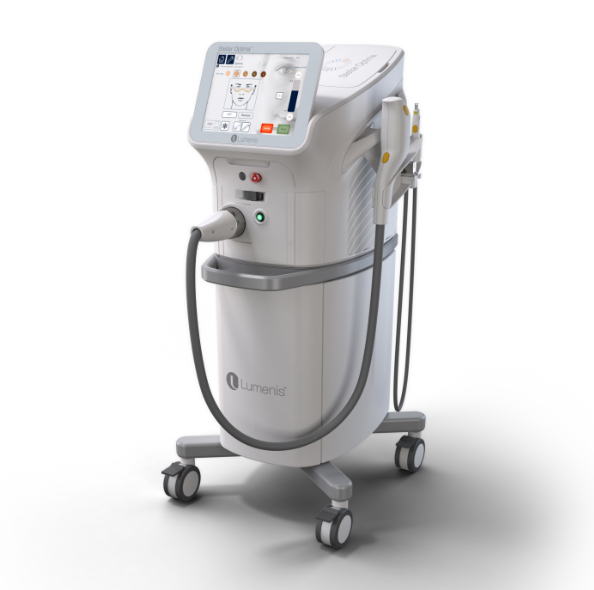
Black Friday aesthetics promotions in New Jersey. Deals on botox, fillers, IPL hair removal, microneedling and lots more

Say Hello to Eye-Safe Glam: Twenty/Twenty Beauty Now Available at NJ Eye and Ear
Dr. Lawrence Geyman discusses treatment options for Glaucoma.

Eat Pistachios for Better Eye Health
What is Dry Eye?
Wisdom from a Glaucoma Specialist, Lawrence Geyman, M.D.