
CORONAVIRUS AND YOUR ALLERGIES
Nahndi Bush, M.D. • May 26, 2020
CORONAVIRUS AND YOUR ALLERGIES
During less trying times, Fall Allergies is that time of the year when many people begin to gear
up for their battle with seasonal allergies. While ragweed plagues many in the Northeast in the
fall, March and April are prime season for many trees to release their pollen. This is when
people are plagued by the itching in their eyes, nose and throat that is often referred to as
“ hay fever”. Other symptoms include runny nose, nasal and sinus congestion and “stopped up”
ears.
Why is this problem particularly important right now? The COVID-19 virus is largely
spread by contact of infected droplets from a surface to our hands, then to the eyes, nose and
mouth. It can be very difficult to restrain oneself from rubbing itchy eyes and noses, especially
for children. Moreover, if one does carry the virus and is prone to frequent sneezing, they
increase the risk of transmitting infection to others around them. At the very least, that
sneezing and sniffling will likely raise great alarm among nearby people.
Now more than ever, it is important to keep allergy symptoms under control. Important
measures include:
- Using appropriate allergy medication and antihistamine eye drops.
- Keeping plenty of clean tissues handy to cover sneezes, and sanitizer to keep hands clean.
- Considering air purifiers in the home.
- Know your triggers, and how to avoid them when possible – allergy testing can be an important tool here.
- Wear a mask and sunglasses outdoors to limit pollen contact with the eyes and face, especially when doing yard work.
- Consider doing outdoor activities early or late in the day, when pollen counts may be lower, and checking daily pollen counts before going outdoors.
Living with allergies is never easy. Being attentive to managing them can definitely make
life more enjoyable, but more importantly, now it may actually help save your life and those
around you.
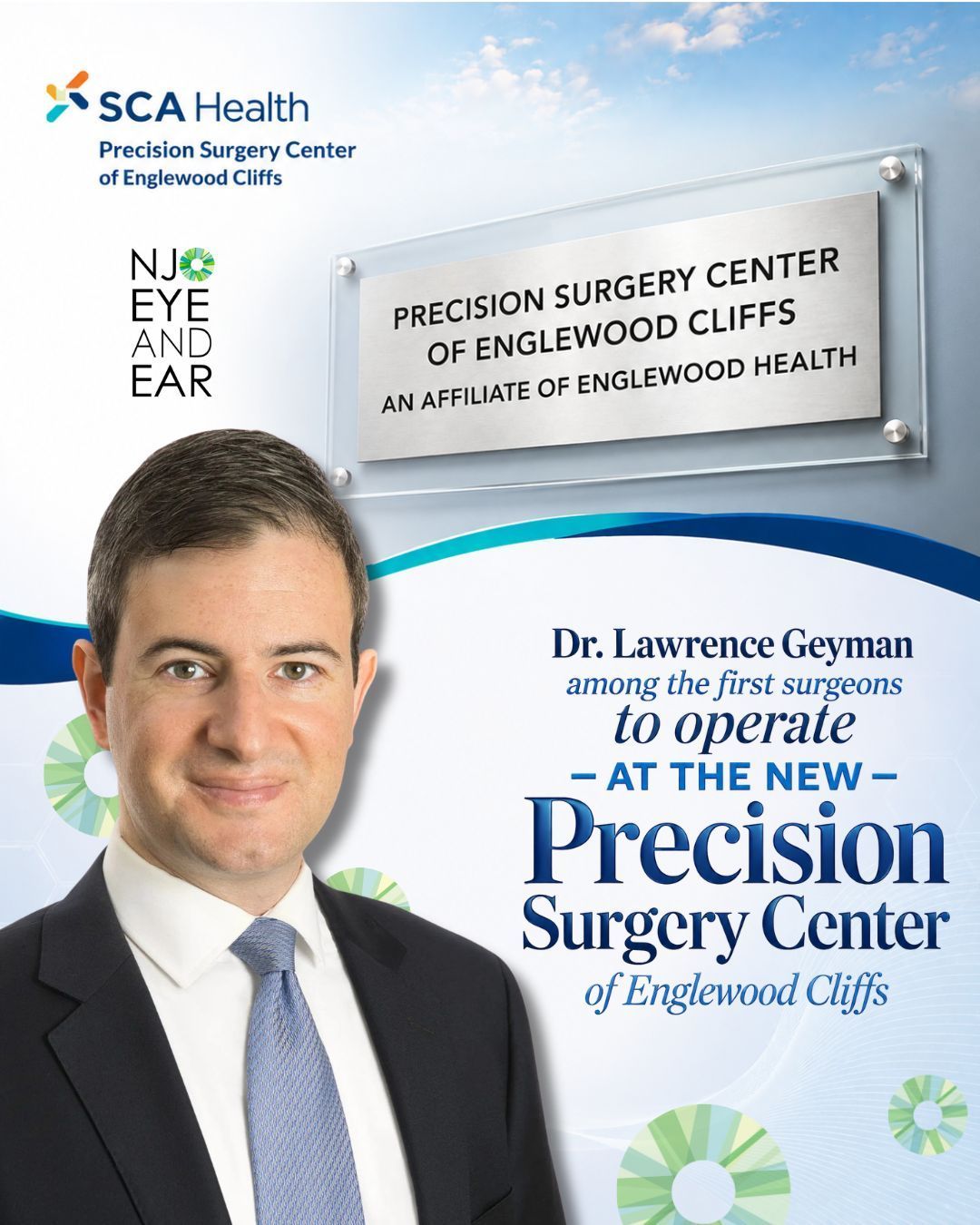
NJ Eye and Ear Specialists Begin Performing Procedures at New State-of-the-Art Preision Surgery Center
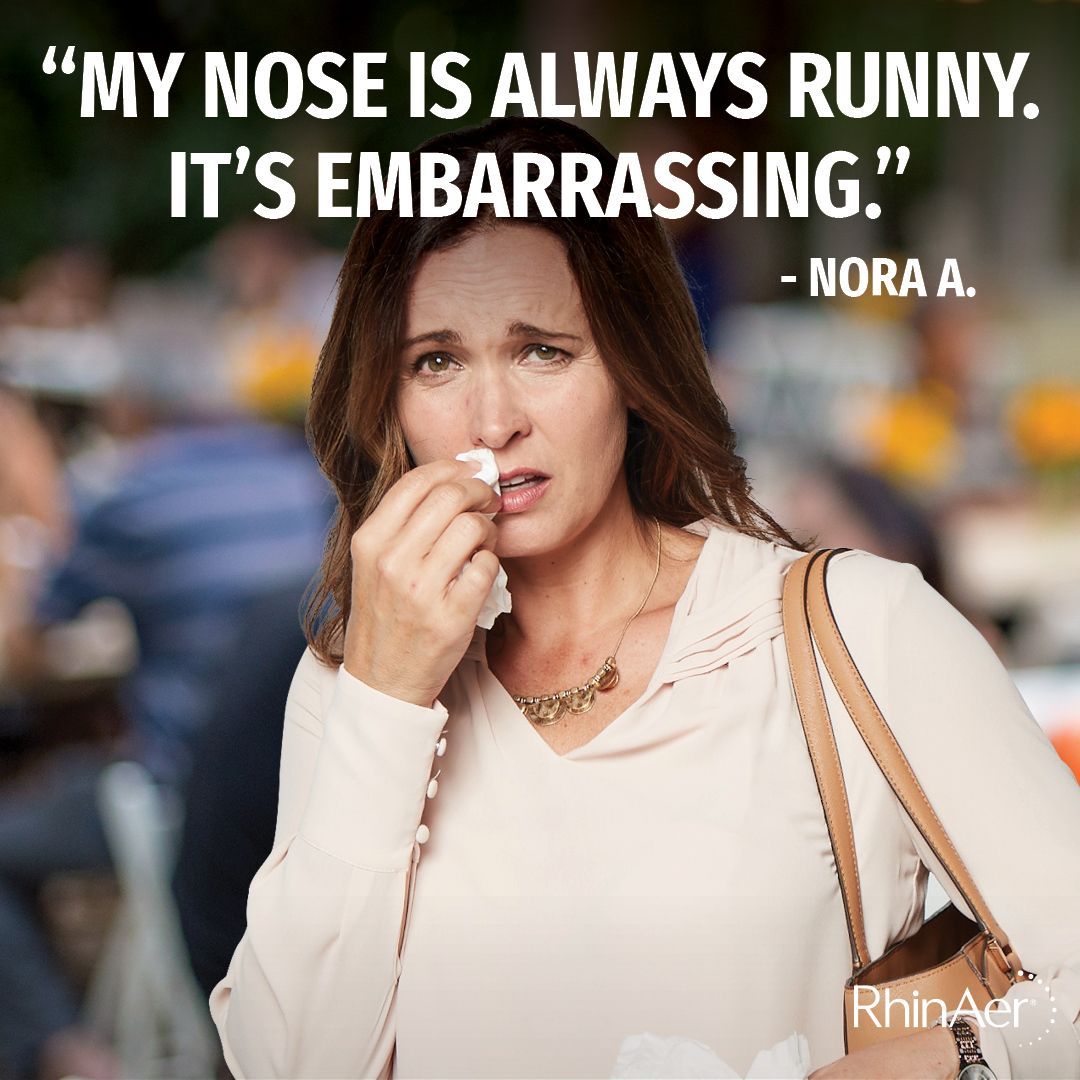
Nose always runny?

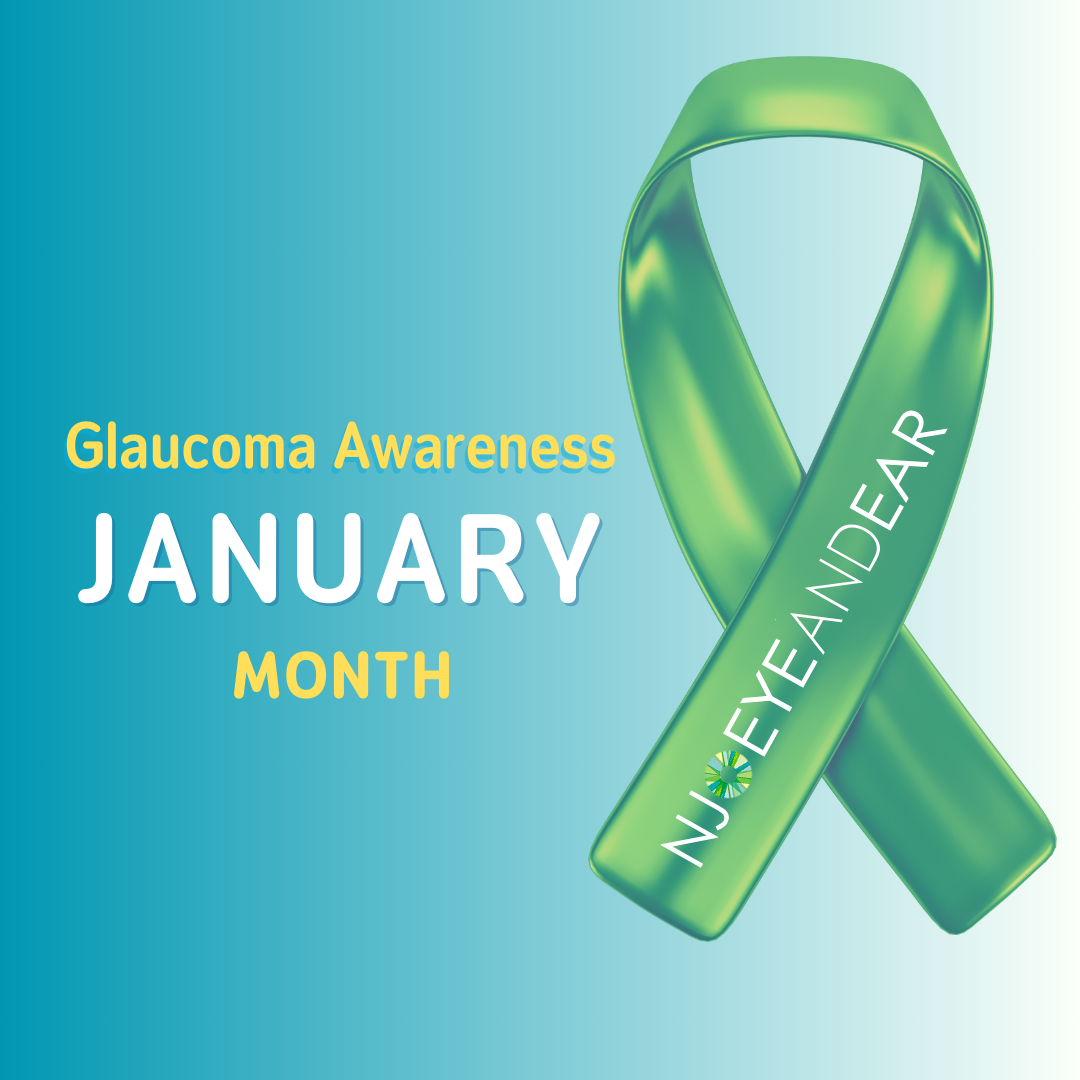
January is Glaucoma Awareness Month, a time to raise awareness about one of the leading causes of irreversible vision loss in the United States. Often called the “silent thief of sight,” glaucoma can develop without noticeable symptoms in its early stages, making regular eye exams in New Jersey essential for protecting long-term vision health. More than four million Americans are currently living with glaucoma, and many do not realize they have it. The condition damages the optic nerve, typically due to increased eye pressure, and often begins by affecting peripheral vision. Without early detection and treatment, this vision loss can become permanent. Who Is at Risk for Glaucoma? While anyone can develop glaucoma, certain factors can increase your risk, including: Being over the age of 60 Having a family history of glaucoma Belonging to certain ethnic backgrounds Living with diabetes or high eye pressure Understanding your personal risk and scheduling routine glaucoma screenings in New Jersey can make a meaningful difference in preserving your sight. The Importance of Comprehensive Eye Exams The most effective way to detect glaucoma early is through a comprehensive dilated eye exam. This exam allows your eye care provider to measure eye pressure, evaluate the optic nerve, and check for subtle changes in your field of vision—often before symptoms appear. Book Your Glaucoma Screening in New Jersey At NJ Eye and Ear, our ophthalmology and optometry team provides personalized care using advanced diagnostic technology to help patients detect and manage glaucoma as early as possible. This January, take a proactive step toward protecting your vision. Book your glaucoma screening in New Jersey today and safeguard your sight for the future.

Celebrating Our Award-Winning Doctors at NJ Eye and Ear!

Black Friday aesthetics promotions in New Jersey. Deals on botox, fillers, IPL hair removal, microneedling and lots more

Say Hello to Eye-Safe Glam: Twenty/Twenty Beauty Now Available at NJ Eye and Ear
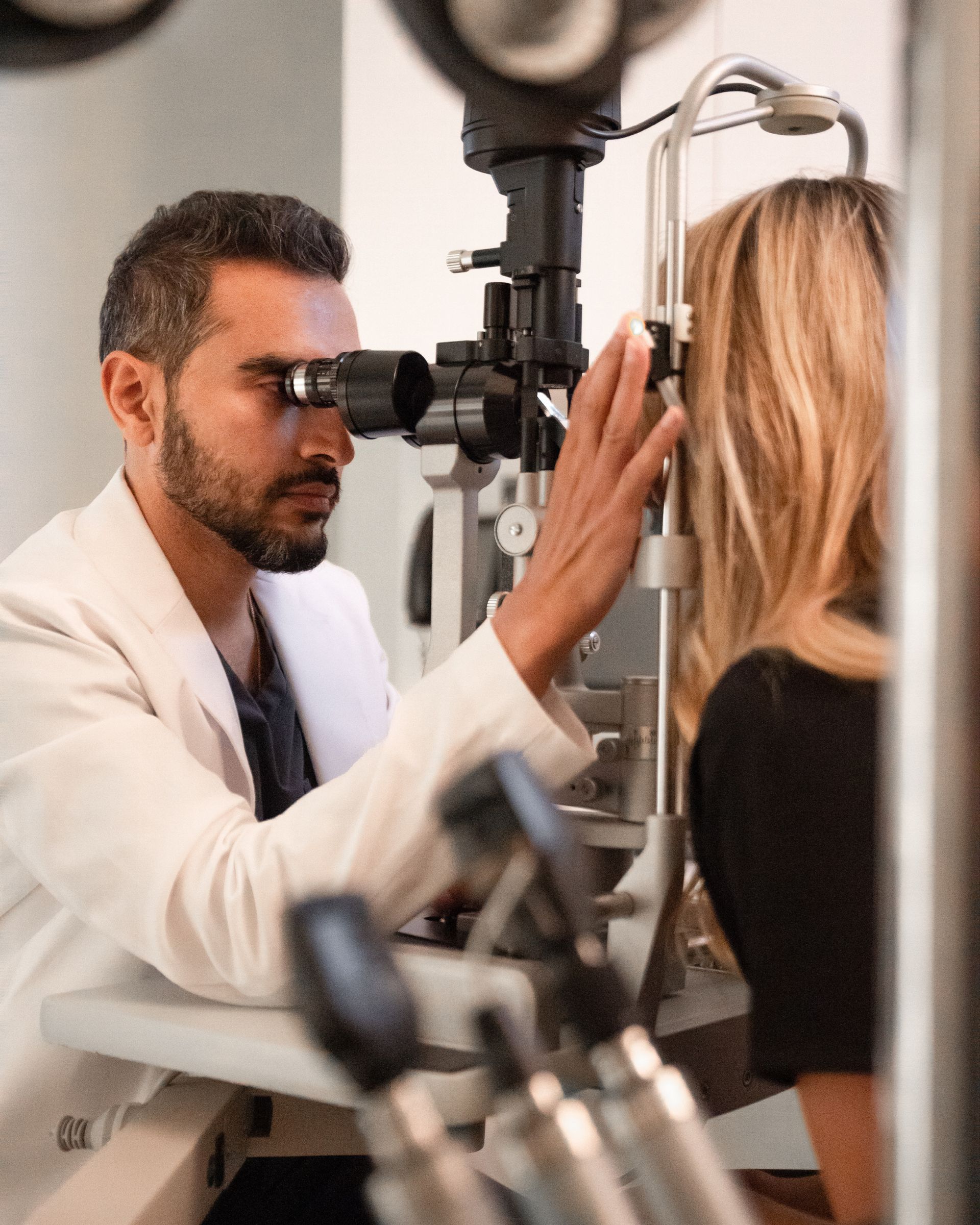
Dr. Lawrence Geyman discusses treatment options for Glaucoma.

Eat Pistachios for Better Eye Health
July is Dry Eye Awareness month and your symptoms could be due to dry eye.
What is Dry Eye?