
ALLERGIES
Kevin Ende, M.D. • June 24, 2021
Top Rated ENT Doctor Kevin Ende, M.D. talks about Allergies...

Allergic disease is a very common problem affecting up to one-third of the population. Immunotherapy is a treatment that can modify the immunological response of the allergy sufferer so that the patient will stop reacting to the involved allergens. Immunotherapy is indicated for the treatment of allergic rhinitis and asthma, when allergy avoidance and medications including sprays and pills fail. Immunotherapy can be administered by different routes including injections and sublingual therapy. SCIT is commonly known as “allergy shots.” Sublingual immunotherapy (SLIT) is where the allergens are administered either as drops or a pill to the sublingual area. Both SCIT and SLIT work well and there needs to be more studies to determine if one is better than the other. SLIT is so safe and easy to administer that patients treat themselves at home while allergy shots need to be performed in the office once per week. Unfortunately, not every health insurance company will cover treatment for SLIT despite the benefits, so very often patients will choose SCIT due to insurance coverage even though it is less convenient. If you have tried many different allergy medications and are still suffering, our typical process is to test your allergies and treat with either SLIT and SCIT. We will check your health insurance benefits and help you make the best choice.
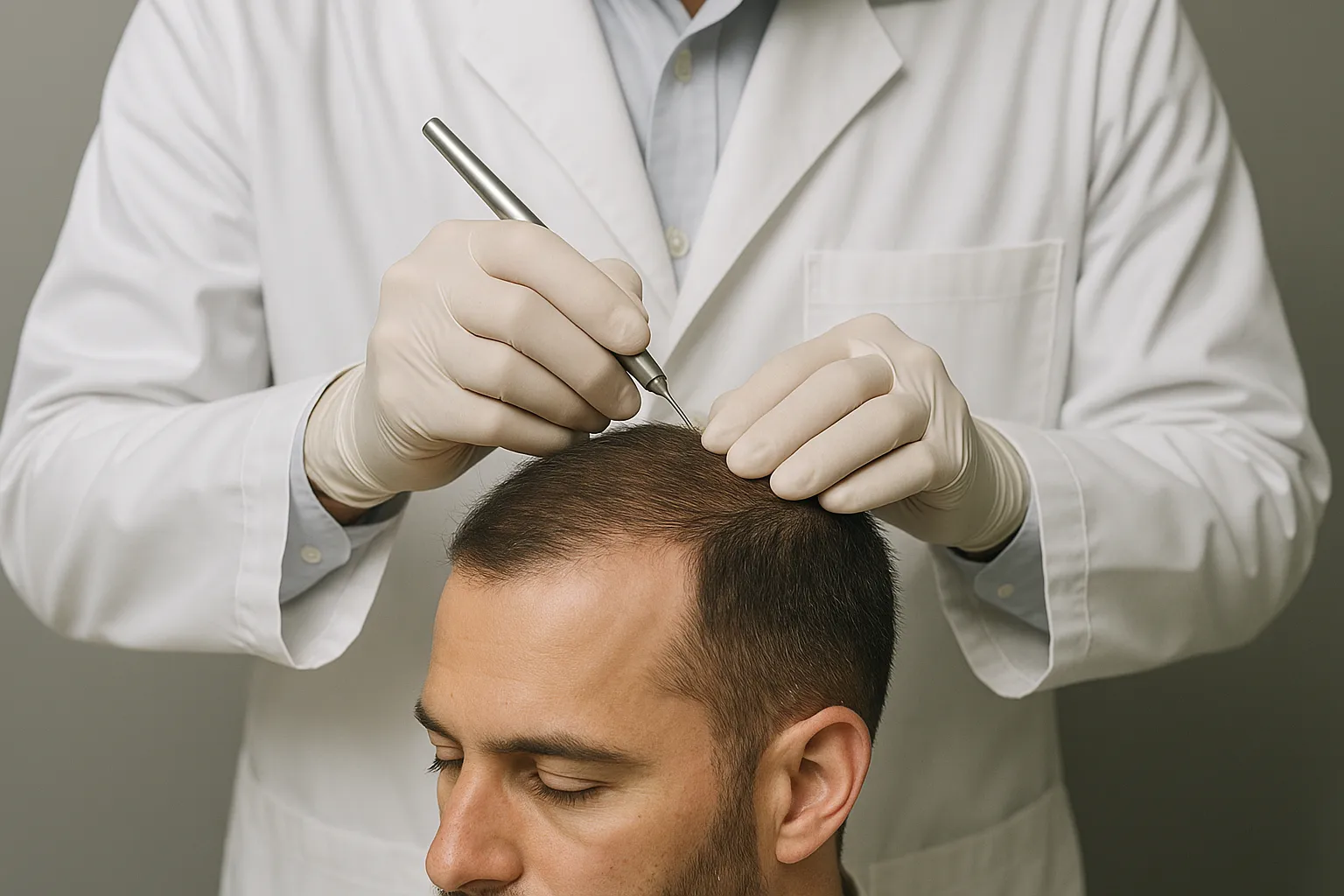
Learn how hair transplants work, what to expect during recovery, realistic growth timelines, candidacy factors, and how to choose the right specialist.

Learn about dermal fillers, including HA, Radiesse, and Bellafill. Discover how fillers work, treatment options, recovery, and what to expect in NJ.

Discover what to expect during rhinoplasty recovery, including swelling, bruising, breathing, activity restrictions, and results timeline, plus healing tips.
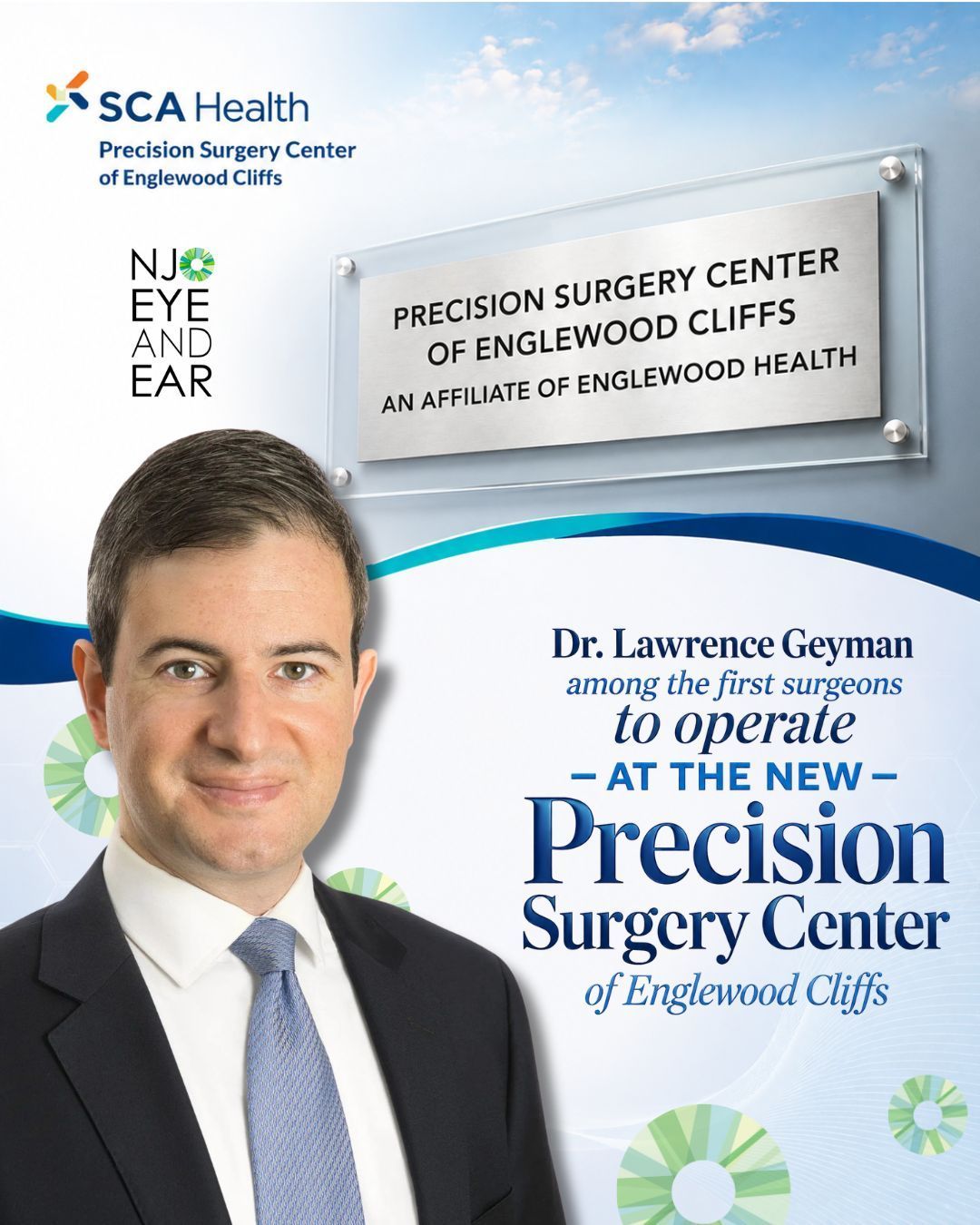
NJ Eye and Ear Specialists Begin Performing Procedures at New State-of-the-Art Preision Surgery Center

Nose always runny?

January is Glaucoma Awareness Month, a time to raise awareness about one of the leading causes of irreversible vision loss in the United States. Often called the “silent thief of sight,” glaucoma can develop without noticeable symptoms in its early stages, making regular eye exams in New Jersey essential for protecting long-term vision health. More than four million Americans are currently living with glaucoma, and many do not realize they have it. The condition damages the optic nerve, typically due to increased eye pressure, and often begins by affecting peripheral vision. Without early detection and treatment, this vision loss can become permanent. Who Is at Risk for Glaucoma? While anyone can develop glaucoma, certain factors can increase your risk, including: Being over the age of 60 Having a family history of glaucoma Belonging to certain ethnic backgrounds Living with diabetes or high eye pressure Understanding your personal risk and scheduling routine glaucoma screenings in New Jersey can make a meaningful difference in preserving your sight. The Importance of Comprehensive Eye Exams The most effective way to detect glaucoma early is through a comprehensive dilated eye exam. This exam allows your eye care provider to measure eye pressure, evaluate the optic nerve, and check for subtle changes in your field of vision—often before symptoms appear. Book Your Glaucoma Screening in New Jersey At NJ Eye and Ear, our ophthalmology and optometry team provides personalized care using advanced diagnostic technology to help patients detect and manage glaucoma as early as possible. This January, take a proactive step toward protecting your vision. Book your glaucoma screening in New Jersey today and safeguard your sight for the future.

Celebrating Our Award-Winning Doctors at NJ Eye and Ear!

Black Friday aesthetics promotions in New Jersey. Deals on botox, fillers, IPL hair removal, microneedling and lots more

Say Hello to Eye-Safe Glam: Twenty/Twenty Beauty Now Available at NJ Eye and Ear
Dr. Lawrence Geyman discusses treatment options for Glaucoma.